Cotton AeroVee - hot oil and sump baffle

We have always had oil cooling issues. For the most part we could live with it - but historically when we would climb up to 5500’ two-up in the summer that was as high as we could go, because the oil would be approaching 230. Once we leveled off, the oil temp would come down slowly and be fine in cruise. When I would fly solo to 6000’, I would often see 220F but it would cool down once I started doing maneuvers. Especially because I’d have to pull the throttle back during dives to keep the engine from overspeeding.

Recently we rebuilt the engine, and one of the things I discovered was the oil cooler seemed to have some blockage. When I used the bypass that came in my kit, or when I put on a new cooler, the oil pressure dropped from 70 in cruise to 50, which is where it should be. We polished up the bypass piston, added a supplemental spring, and were convinced from doing the math that the system should not go into bypass, meaning not flow through the cooler, except for a cold start where the pressure could spike to 80-90 PSI. But even with the new cooler, we still had high temps, in fact worse than before. Partly this was because we have been evil and have been hot-rodding our AeroVee. We bumped compression to 9:1, added 1.25:1 ratio rockers, plus as I documented on the old forum I added fresh air induction and GPAS cast manifolds that were nicely ported and polished. I did a lot of baffle work, documented on this forum, to keep CHTs in check. But though the CHTs were good, the oil was hot. A solo climb to 6000’ to do aerobatics would push me over 230. 2-up we would struggle to get over 3500’ because we would approach 230. The oil was just too hot. My thought was the extra heat from the extra performance was getting taken out of the heads. but the pistons would also see that increased heat and they transfer most of it to the oil.

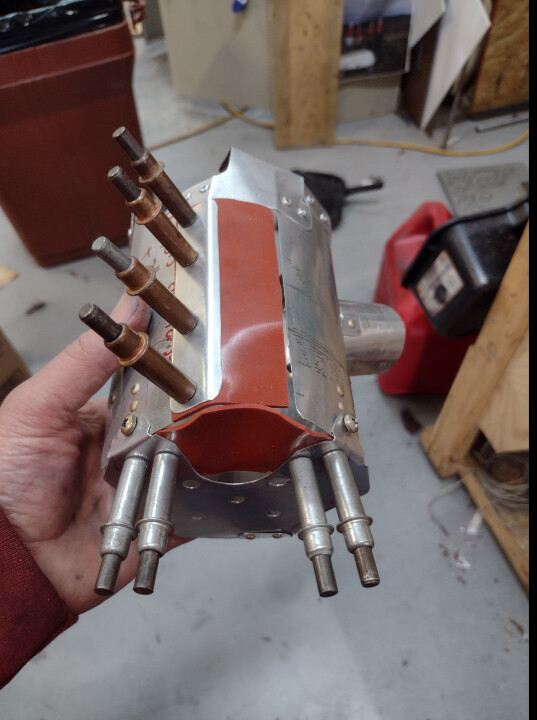
I had to do something. I didn’t want to give up the performance. A Jabiru 3300, though desirable, would be for another day maybe. What I did was to fabricate and install a sump baffle like the bottom mount oil cooler guys use.
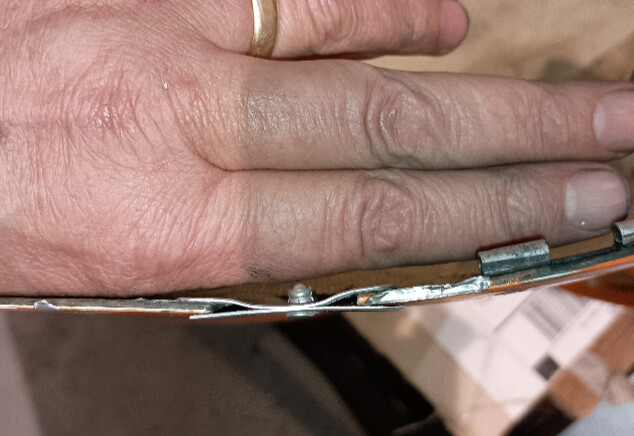
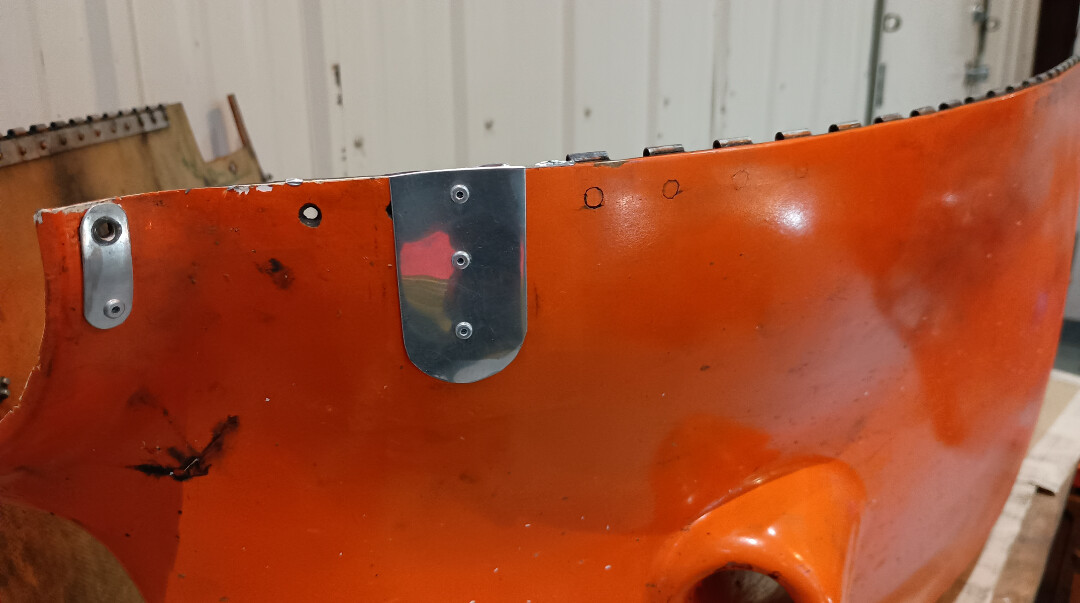
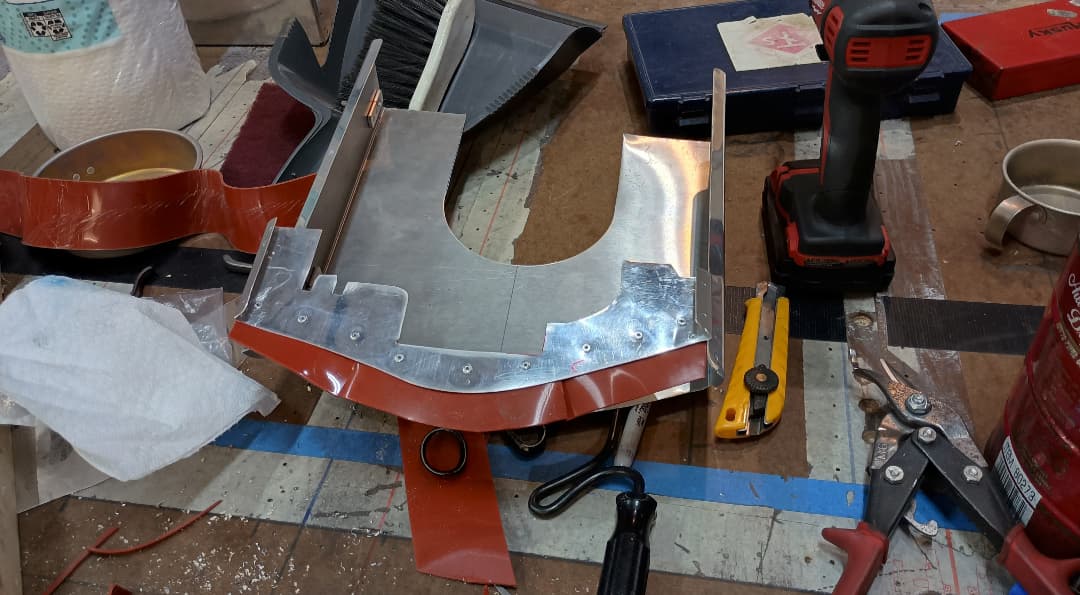
This was a fairly easy part to make on the brake although it took me 3 iterations to get all the hole locations correct.

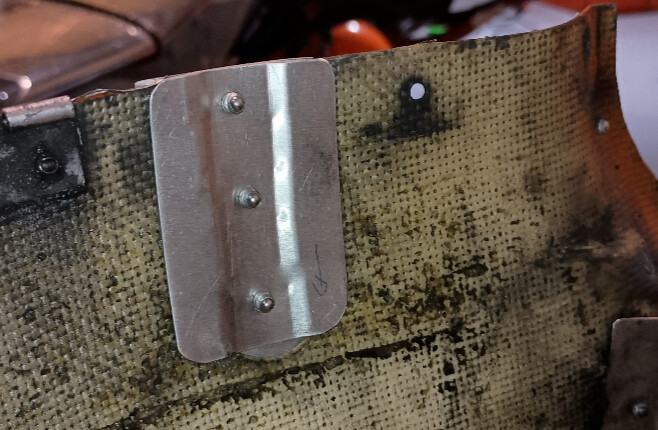
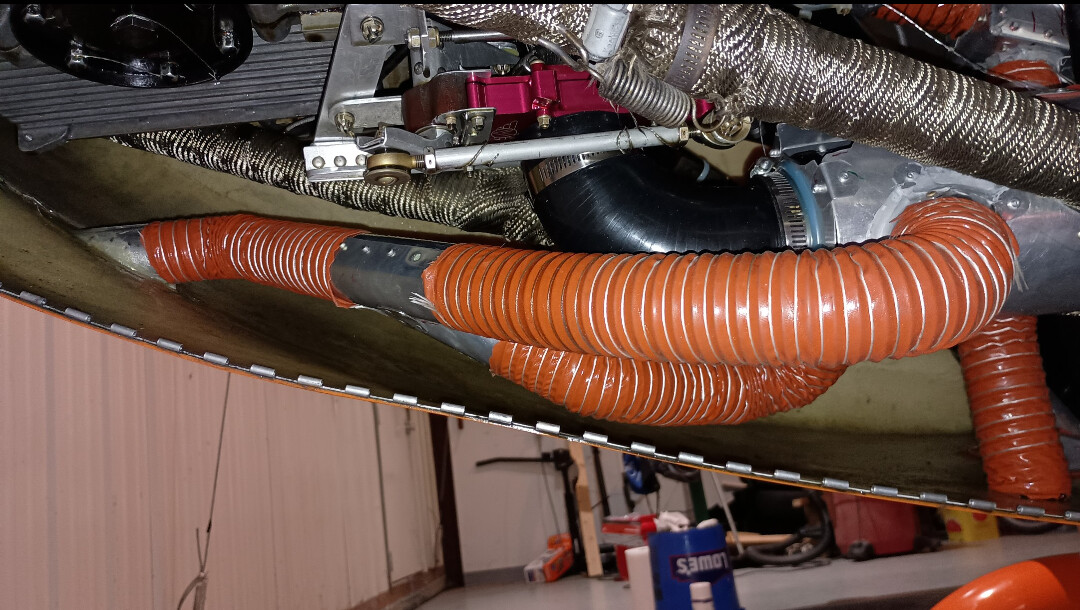
Here is the top closeout after putting the seal on the front. It’s a good view of the complicated pattern to get a good fit.
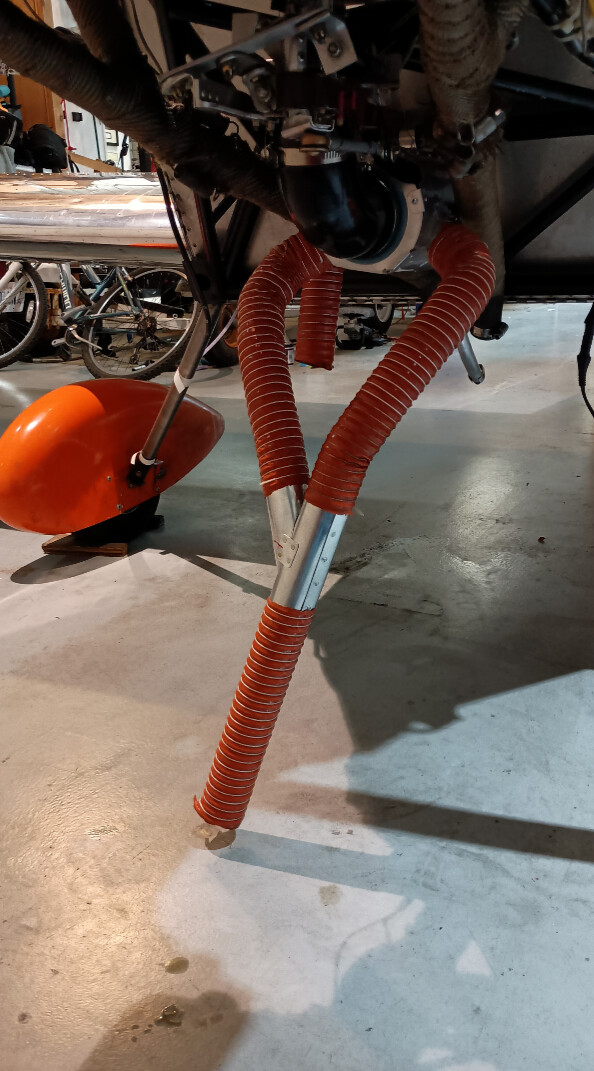
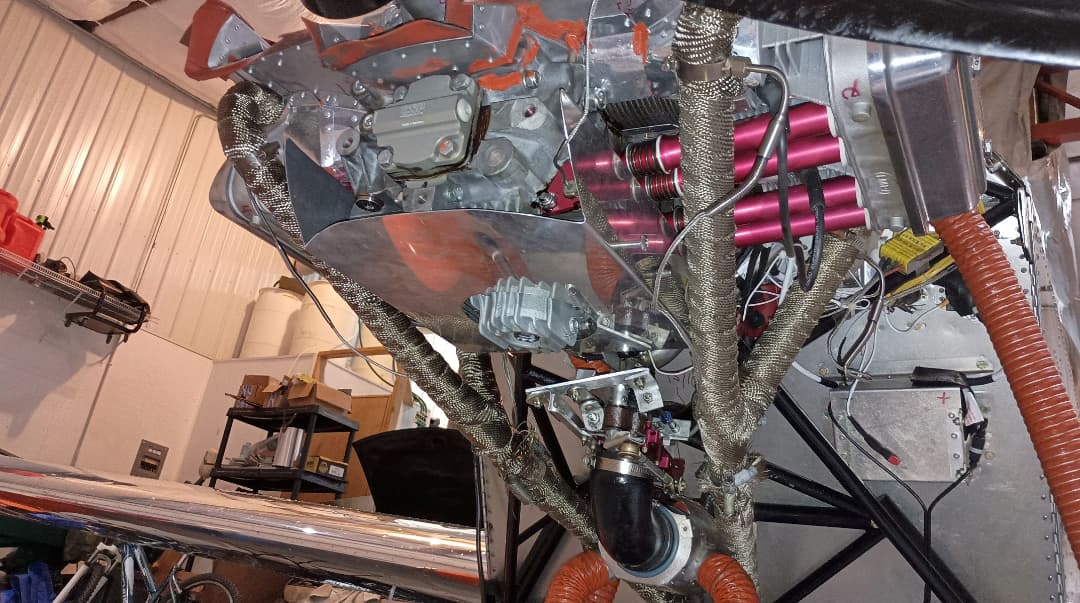
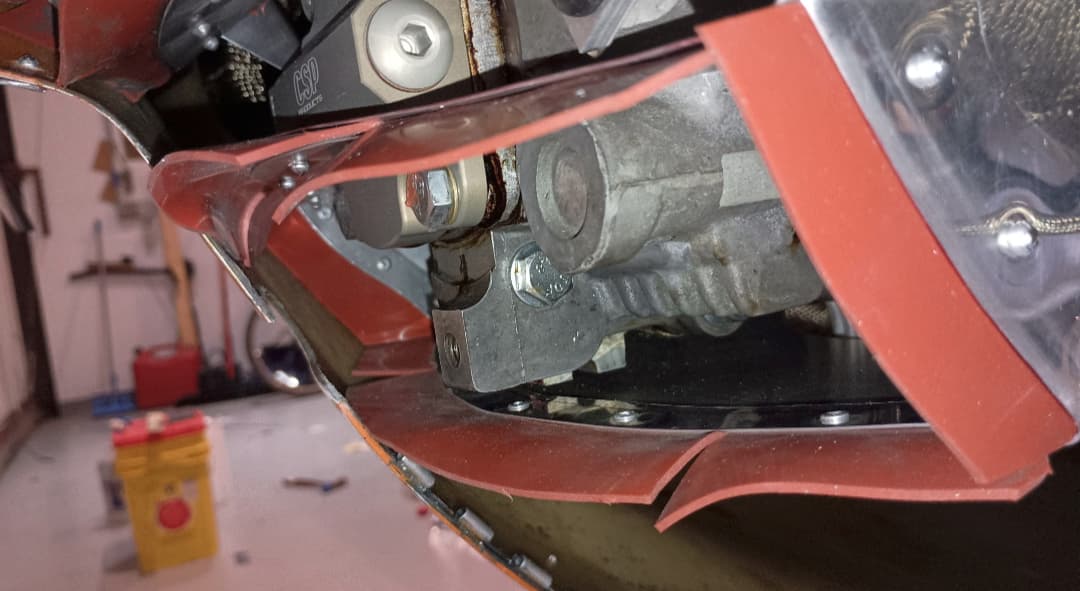
Here is the new baffle installed, ready for cowl installation:
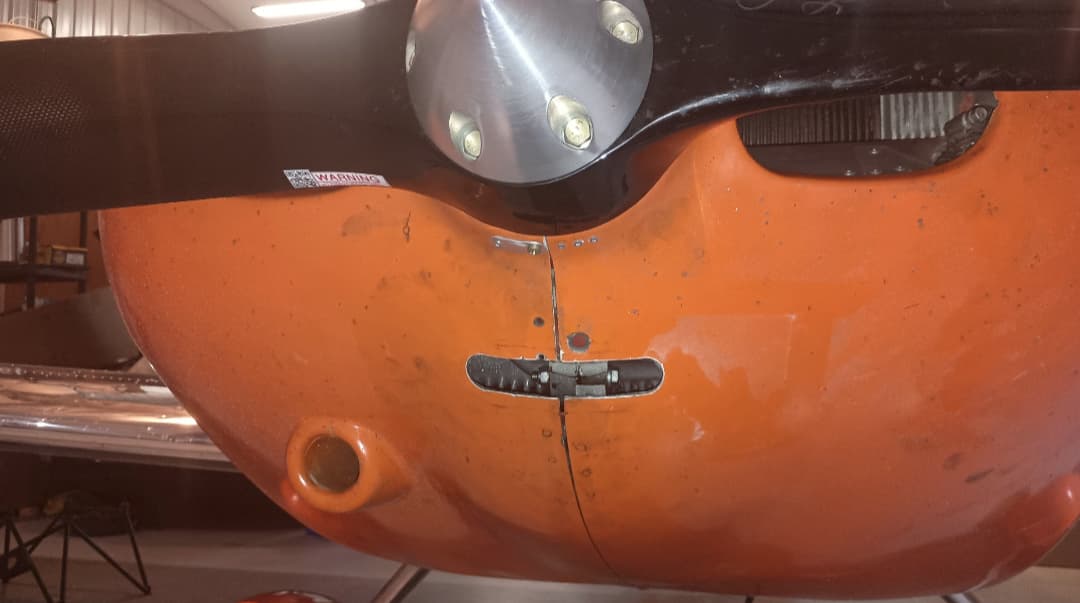
The AeroVee manual calls for a slot approximately 5” wide, 2” tall, and cut 5” below the cowl prop opening. I made mine only 1” tall, and I had to move it up an inch to 4”. My baffle is not as deep as a standard sump baffle.
And now onto the results. This morning I climbed to 6500’, oil temperature peaked at 197F and came down to 180F in cruise. I was worried that this air going in to the lower cowl might affect my CHTs, but my peak CHT was 315F. Adam has since flown 1.8 hours today in the Waiex and also reports good temperatures.

I’m not sure if the top mounted oil cooler is insufficient given my modifications, or if the air flow through it is not enough. But with the addition of sump cooling, I’m good.
1 Like

Hey Bryan,

Where is your oil temperature sensor installed?

Wes

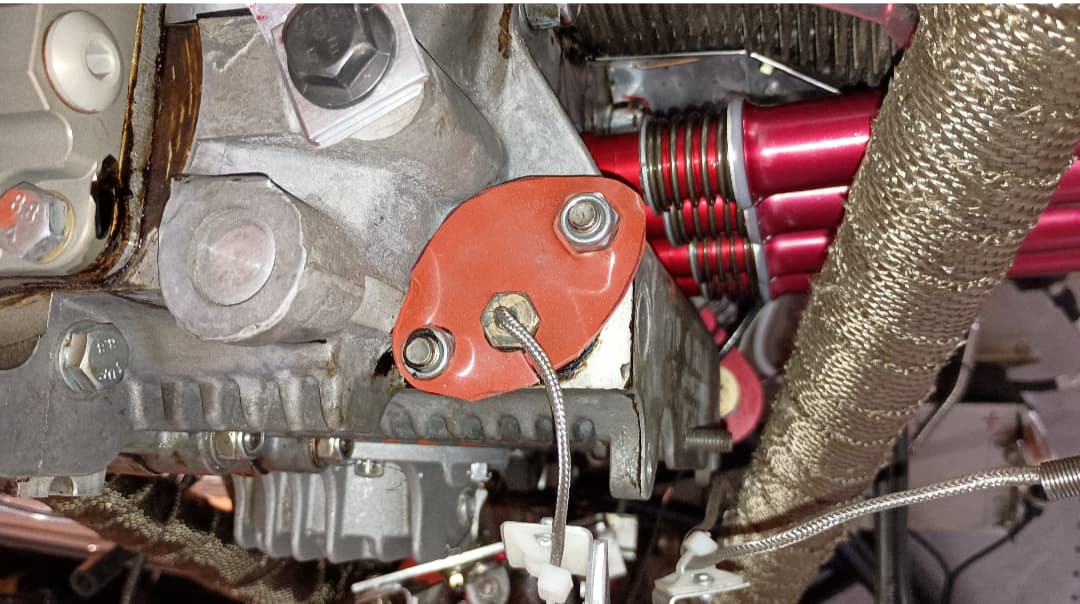
So the question will be: is air blowing on the sender making it read colder? That’s a possibility but the sender is all the way at the other end of the bolt in the oil. I was considering putting a cover on that to prove the hypothesis that the fresh air is not cooling the sender.

I certainly don’t want to be a buzz kill. But you may remember the online discussion Mike Smith and I had about this a long time ago. Blowing air on the sender does have an effect. In fact, RevFlow says the sender is measuring the case temperature. If the case is being cooled in the area of the sender that will give a false low indication.

This from Steve B. and the document I uploaded to your other thread.

Wes

Wes, it’s a good point. I do remember the conversation. My sender is home made. I have recently bought a 4 channel TC reader and had planned to make a second measurement to verify the first. I’ll report back.

My sender started off as an AN4 bolt. I chucked it up on the lathe and center drilled through the head for most of the length of the bolt. There is a gasket between the head of the bolt and the red anodized block off sump plate from Sonex. That 1/8" aluminum plate is also isolated from the case by a gasket. The sender location is probably about 3/8" at least into the oil. The bolt, nut, and back side of the aluminum plate are bathed in oil. I’m not seeing the heat transfer of air blowing on the bolt head winning against the oil. Next oil change (7.2 hours) I’ll make a silicone rubber cover for the plate and sensor.

reguarding oil temps, when building my 2.1 engine, I did not feel the top mounted cooler would suffice for summer temps here in Tx, so I opted for a very much larger, race car cooler, maybe 3x bigger, and bottom mounted it, with appropriate baffeling, and swing it away to do oil changes. I also incorperated an hi press oil filter system. since first flight, and ever since I have not seen oil temps much over 190 or so, even in climbs to 6000ft for phase one tests.It is my opinion one can control over cooling way easier than under cooling. In cold wx, I have fashoned several different cover plates for front air inlet to sump area. so far this setup has been uneventful, for cold temps. I remove them for summer temps. I also increased cowl outlet area by 25%, and added a larger seaplane lip around the opening.

2 Likes

I’ve added this silicone rubber cover on my plate. Although I may not be able to do a good test until next summer. It’s cooling down. I do believe my probe won’t be affected though. Last weekend it was 90F at the day’s peak. Max oil temp was 197. I was doing cruise climbs, 100 kts, ~700+ fpm, 3300 RPM. 5500’ on the way out, 4500 on the way home, plus a couple short hops.

Some follow up - I did get some more 90F weather and saw similar temps with the cover installed. Since then we have been flying in days that maxed at 50F. At that temperature our oil was only getting to 147 at the top of climb and 137 in cruise, with the new inlet half blocked off. I’ve blocked it all the way off since and have gotten to 211 in a climb up to 6000’, and typically 180F in cruise.

Winter is here. I made these simple block off plates. They slide in.

2 Likes

Nice!

Just curious Bryan, what is the intake snorkel at the bottom right in your picture for? It was white the Sport Aviation article.

Thanks

Rene’,

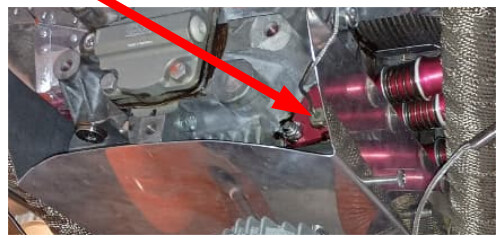
That’s fresh air supplied to my air filter. We were still getting it working when EAA interviewed us. There was a thread in the old forum that Wes started, called “AeroVee performance - cold air induction” or something like that. Here are some pictures.

I could not find the old thread on this forum.

This was easily my best performance mod!

Thanks for the pictures Bryan.

Did this gain you some rpm? My old Revmaster with the Revflow carb had ram air induction, but I had read somewhere not to do this with the Aeroinjector. Can’t recall where or why this was…..grey cells taking over. On the Revflow with the ram air blocked so the carb would take in filtered warm in the cowl air, you would typically loose 50-100 rpm and was notice-able on climb out.

Just had a quick “flick” through brows of this discussion. Very interesting.

I don’t recall seeing any target Max/Optimum oil temperature figures?

I ask this as I have always understood that it is desirable for crankcase oil to get over 100C (212F) for a period, at least once in a days flying. This is to drive off any volatile fractions (mainly water/fuel) contaminating the oil.
I also believe the oil delivers best performance within a recommended operating (optimum) rang eg 90-100C - was this mentioned? :smiling_face_with_horns:

Rene’,

I gained close to 200 RPM static and climb with fresh air. It’s not ram air because if you pressurize the fuel outlet in the AeroInjector it can lean out. My air filter enclosure has lots of holes and a rubber flap to let excess air bypass the filter.

2 Likes

Per the AeroVee manual, minimum oil temperature is 160F, maximum 240F.

Does the aerovee use a magnesium case?

Revmaster does and Joe (at Rev) said to keep the oil on the cool side 165 to limit case expansion.

1 Like

The AeroVee uses a magnesium case. Hard to keep the oil that cool in the summer. I the winter I have to block off a lot to keep it above 160.

240F (115.5C) sounds about right for a peak temperature but I am astonished at the very low Min of 160F (71C).
What oil is specified? :smiling_face_with_horns:

All the info is here:

http://www.aeroconversions.com/support/instruction_sheets/AeroVee_2point1_Manual.pdf

240 is way too hot. That’s the redline temperature.