My original sender went about 400 hours, and I retired it because it was reading a little low. But now I’ve had two new senders fail high/open in cruise within the last 20 or so hours. I know there was an old thread on Sonexbuilders that I’m going to look up, but wondering if anybody has found the magic bullet for these things.
1 Like
I have the same problem and found no solution at this time, i have changed 3 senders and all after about 20 hours give me pressure high/open mounted at jabiru 2200 with RDAC and Stratomaster
2 Likes
I’ve gone through a few on a 912. The fix seems to be remotely mounting the sender on the firewall to reduce vibration.
4 Likes
I’m agree with 13brv3. Got the necessary VDO remote mounting hardware from https://www.pegasusautoracing.com/ for $51.
1 Like
Thanks guys for the info and link. I’m going to try the remote mount.
1 Like
Not sure about AeroVee engines, but Jabiru and CAMit engines have a Pressure Relief Valve (PRV) that is very poorly designed and acts like a hydraulic jack hammer which quickly wears out oil pressure sensors. The rotary pumps also produce significant pulses that wear on the senders. Introducing some sort of captive air pocket in the line between engine and pressor sensor, much like that used to prevent hammering of water lines when a valve is quickly closed, can help damp out the pulsations.
David A.
1 Like
On my Jabiru 3300 I switched to pressure transducer and a smaller flow control orifice to limit the intensity of the oil pressure pulsations reaching the transducer, both mounted on top of the engine. So far so good.
Art, Sonex taildragger #95, Jabiru 3300 #261
Bryan, my original sender unit was DOA. I got a replacement from Jabiru - it lasted 14 hours and failed high/open. I plan to remote mount the sensor shortly.
1 Like
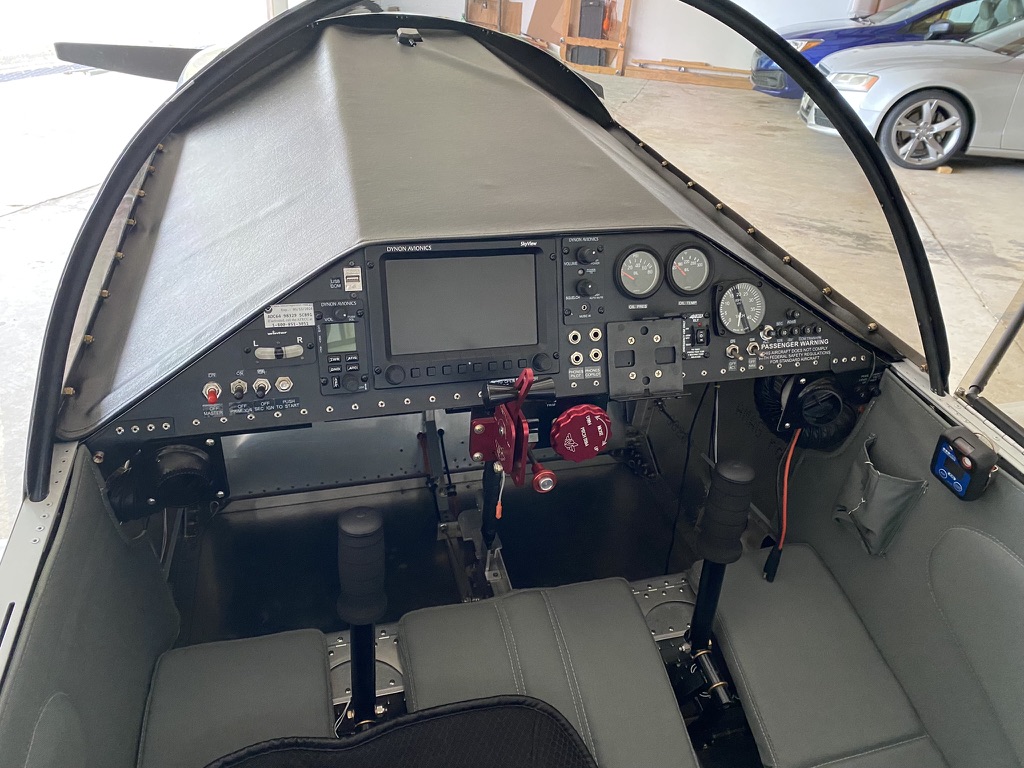
In my Sonex with Aerovee I have two gauges for each oil pressure, oil temp and tach, Dynon readout and steam. In 180 H no problems.
2 Likes
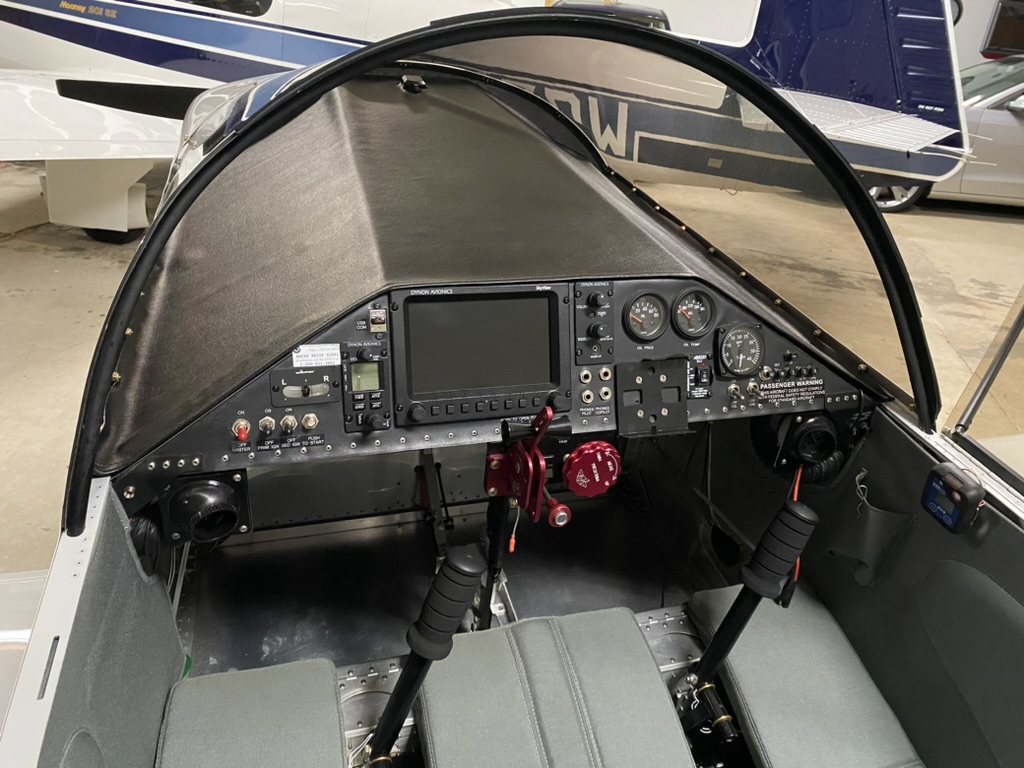
Dont forget Sporty’s CO detector. Right panel area, very accurate and versatile, Also D2 for backup.
2 Likes
twasser5 that’s a nice looking panel. And I don’t think my cockpit has ever been that clean!
Last time my VDO failed I bought a couple of chinesium copies, and will give one a try. I’ll put it on tonight and while I have the cowl off I’m going to measure for hose length.
I’ve got my remote plumbing kit on order from Pegasus. They are pretty close to here, New Berlin WI. In the meantime I’m trying a chinesium sender in the name of science.
It would be great if there was a sensor that could withstand the engine vibrations. It’s so convenient to leave it on the engine, but I went through 3 VDO sensors in the first 50 hrs, and I’ve run the firewall mounted sensor for 150 hrs now. Dynon does work with an expensive sensor that’s more electronic, but as I recall the first installation instruction says not to mount it on the engine.
1 Like
I use the VDO 360-004 (made in Germany) and sold by Summit
VDO Gauges 360-004 VDO Pressure Senders | Summit Racing
I did replace one a few years ago (it lasted ~10 years) with another used unit that I had while I ordered a new one. I still have the new replacement in the spare parts bin.
Mine is mounted to the engine but my flat six is pretty smooth so that may be why the senders last as long as they do.
BTW … I read somewhere that an extension hose for a grease gun can be used to mount the sender away from the engine. Can’t say for certain as I haven’t tried it myself.
Dale
3.0 Corvair/Tailwheel
Can you tell me what you are doing for the non-reflective table cloth under the wind screen? I have the Harvest Gold thing that must have been typical 20 years ago and it is a bit more reflective than I would like. And ugly.
I have a Jabiru 3300 so not sure its the same issue but I had 2 gotchas 1) I ordered the wrong sensor that had SAE threads - mine needed the metric threads.. The SAE thread one actually appears to work but it won’t make good contact. 2) Relatedly, the threads are NPTF , not NPT. As such you should NOTuse teflon thread compound as its a metal to metal seal and necessary to make a good ground.
1 Like
I really like those threads to be sealed. I’ve been using loctite 515 which also helps it stay tight. I’ve added a ground wire using a lug and an NPT nut to secure the lug against the sender.
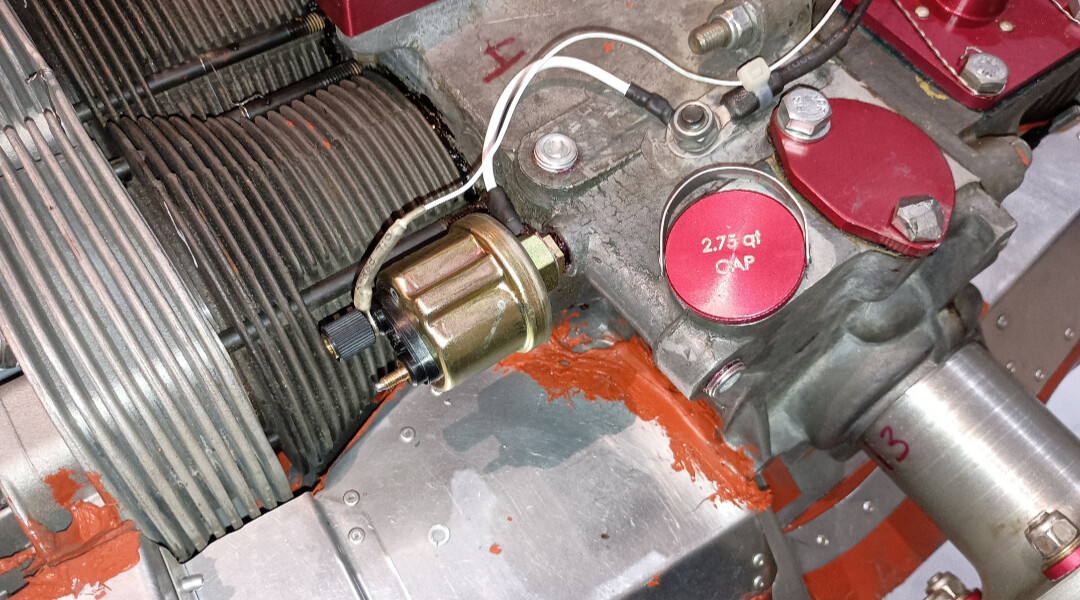
Nut details here:
When I was QC manager at a Machine Tool Shop, we had a Bendix part which had to be machined with NPTF parts. NPT stands for National Pipe Thread and NPTF is National Pipe Thread Fuel. The difference is in the threads. Since a picture is worth a thousand words
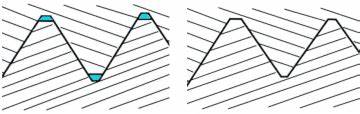
NPTF
The blue area represents the area where fluids can leak through. (the area which needs to be filled to prevent leaks.)
NPT & NPTF both suffer distortion when tightened. However, the NPT is more resistant to inelastic distortion. The most important thing to remember about NPTF threads is that they are single use only. NPTF threads must be installed according to the manufacturers specification. Over torqueing the threads will destroy the part. My test procedure was to thread the bolt by hand until it was just barely snug and count the remaining threads.
1 Like
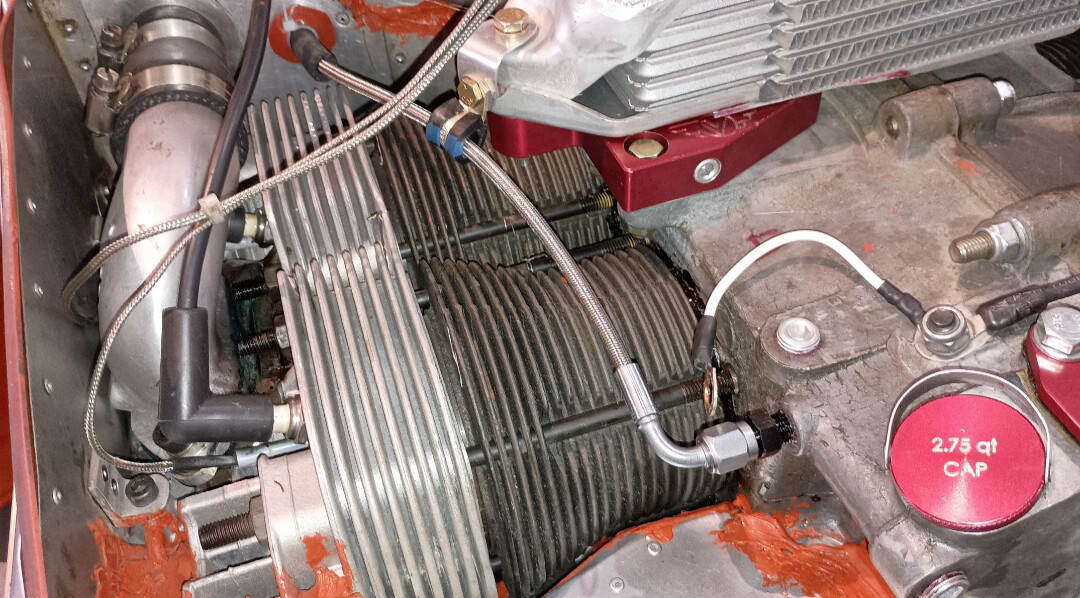
Here’s my fitting in the front. I got a premade 3’ hose from Pegasus, with a 90 degree fitting on one side and a straight fitting on the other. I mounted an adel clamp to my oil cooler bolt.
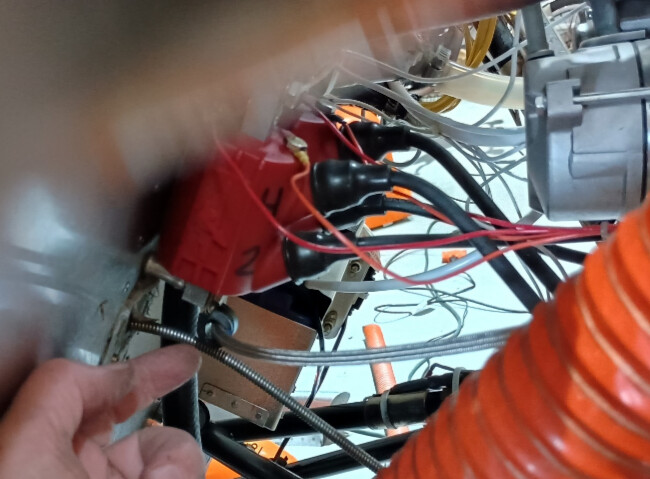
I put another adel clamp on one of my coil mount bolts.
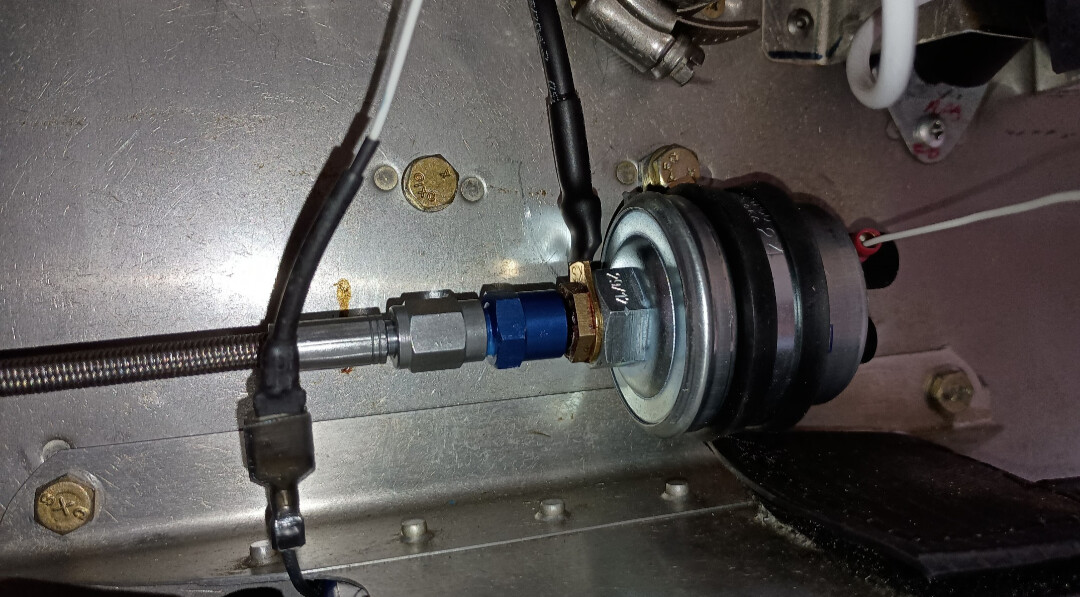
A 1.5” adel clamp is mounted using a spare nutplate location I had above the battery box. Also I mounted a ground wire using an NPT nut as described before.
Just test flew it, seems good so far.
1 Like
A random thought - If high frequency vibration is destroying your engine mounted oil pressure sensor, how about getting your propeller dynamically balanced, to mitigate this possible vibration contributor. 