Hi all and greetings from Conroe, TX. I’m the new owner of N33RF, formerly C-GGDR, a Canadian kitbuilt trigear Sonex with the Aerovee in the cowling. I’ve purchased an SDS fuel injection system and the Aerovee turbo kit for it to access the higher gross weight and looking forward to getting those mods installed. Glad to have found this group and looking forward to flying soon.
1 Like
Welcome, GNRTX. Thanks for joining us and congrats on your new Sonex!
Thank you, Badger830. Appreciate the warm welcome and looking forward to learning much from everyone here.
Sounds like fun! Do a careful study of your electric loads though. You only have 20A to work with, and the battery charging eats up a lot of that for a bit after takeoff. Pattern work generally is bad for charging especially at night. I’ve had 3 electrical failures in 420 hours.
Bryan, thank you- I’d be interested in what you experienced with those failures. I’ve had some contact with another owner who recommended a larger or dual battery to help with load issues. N33RF has wingtip pulse lights, ADS-B wingtips on each wing, and a fairly light avionics load with the MGL Enigma, an iCom transponder, and single com radio. I’m using the recommended lower-draw Walbro pumps for the injection system. I’ve looked for alternative power sources but there seem to be few for the VW out there that are suitable for airplane use.
1 Like
GNRTX,
Two of my failures could be argued to have been self-induced. I had a negative terminal battery bolt fall out, and I think I forgot to torque it during maintenance. I also had the feed to the main breaker get loose, and that was behind the panel. My third one was at night when my VR went haywire and overvoltage. That’s just my Waiex experience. I’d also suffered an alternator failure in a Piper Arrow in IMC. That was a loose field wire.
I’m an electrical engineer in the aerospace field going on 37 years now. I used to do FBW systems in experimental helicopters at Sikorsky. A second, isolated battery is a good bet for a total electrical failure, assuming the failure doesn’t happen somewhere downstream of the independence. It can get you safely on the ground at a place of your choosing. Weight is the enemy especially in a Sonex. More batteries does not solve the problem if you are drawing more than 20A. It just delays the failure. And you don’t want to be drawing 20A steady - you need some margin for recharging the battery.
It’s been a while since I did my load analysis, but you should really add up all your steady loads and make sure they are under 20A. I have a Brauniger Alpha MFD that uses almost nothing and is backed up by a 9V battery like in a smoke detector. Whelen Orion 600 nav/strobes. An old KX155 nav-com and a matching KT76A transponder plus a Uavionix tailbeacon. I have landing lights that I can wig-wag and an electric turn needle that we just turn on at night or if needed. I’ve got a Stratux, Sigtronics intercom, and red LED panel lights. I also have the stock AeroVee electric ignition. One nifty thing I did was to incorporate a mechanical master contactor, which uses no power and is a little lighter than an electric one that draws 1A, or 5% of your source. I can run it all in cruise and still charge the battery. Like most AeroVee guys I turn off the electric ignition in cruise.
The great thing about the stock system - in my electrical failures we lost lights, intercom, and radio. The engine kept running. Also the MFD kept going on its 9V battery.
Thanks for this, Bryan. I went deep down the rabbit hole last night of the archives here and am leaning toward the motorcycle alternator modification when the engine has to come off for all the turbo upgrade processes. The problem I’ve had with other aircraft related projects is the refusal of machine shops and welders to even touch something that might go on an airplane, whether I explain the nature of Experimental or not. I wish Sonex had a factory option for better output but the Aerovee line seems to have matured and frozen in its development path.
The AeroVee has 3 things going for it:
- Cost
- Weight
- You can tinker with it
The problem with pursuing #3 is it can undo the other 2. I think Sonex is right to leave it as a baseline engine, as if you dump too much money into it there are better options. If I had a spare $30K laying around I’d be one of the Jabiru guys soon. But I am having fun with tinkering with the engine and improving it as much as I can.
2 Likes
Good points, thank you. I’m hoping maybe one of the guys who modified their engines with the Harley system might be able to step in and give me a hand. I’m much more confident with the sheet metal and engine assembly than the modifications side of thing. I could never scratch build!
Greg
1 Like
It looks like kmacht has registered but not spent much time here. Wingman doesn’t seem to have made the leap to the new forum.
Welcome! I do know where conroe is located. I am a bit away in denison kgyi. glad to have you join!
1 Like
Welcome @GNRTX
1 Like
Greetings from Frankston - south of Tyler. Glad you found us!
Welcome N33RF
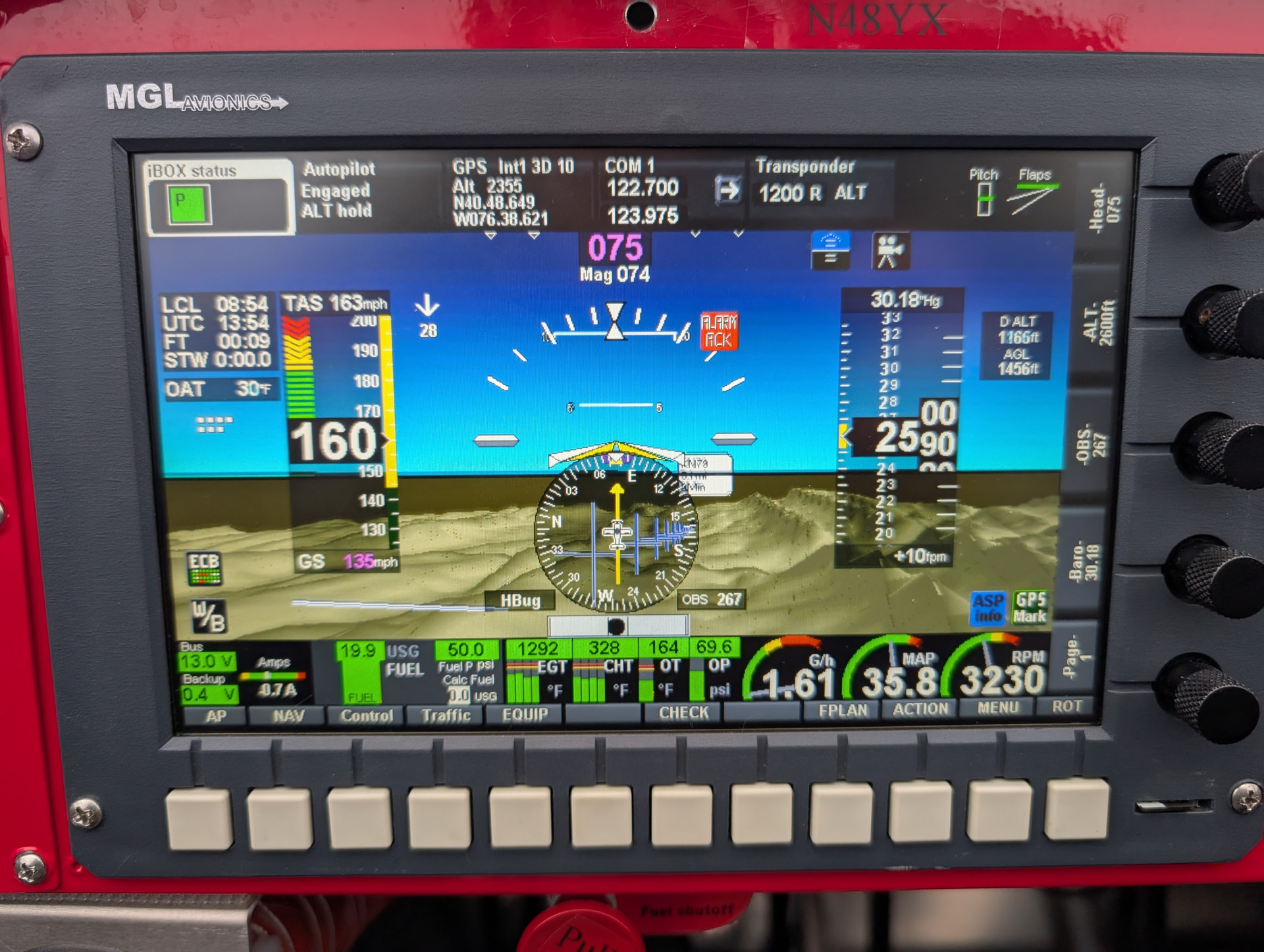
I am flying the AeroVee turbo with the SDS fuel injection and electric ignition. It truly does turn the AeroVee into a real fun engine to fly behind. It starts easy and runs smooth. I highly recommend the individual cylinder fuel trim and data logger options from SDS. With the AeroVee intake logs I am running a considerable spread between the front and back cylinders to balance the temps.
The AeroVee stator is keeping up but would feel better with a backup solution.
Enjoy the journey and stay safe.
2 Likes