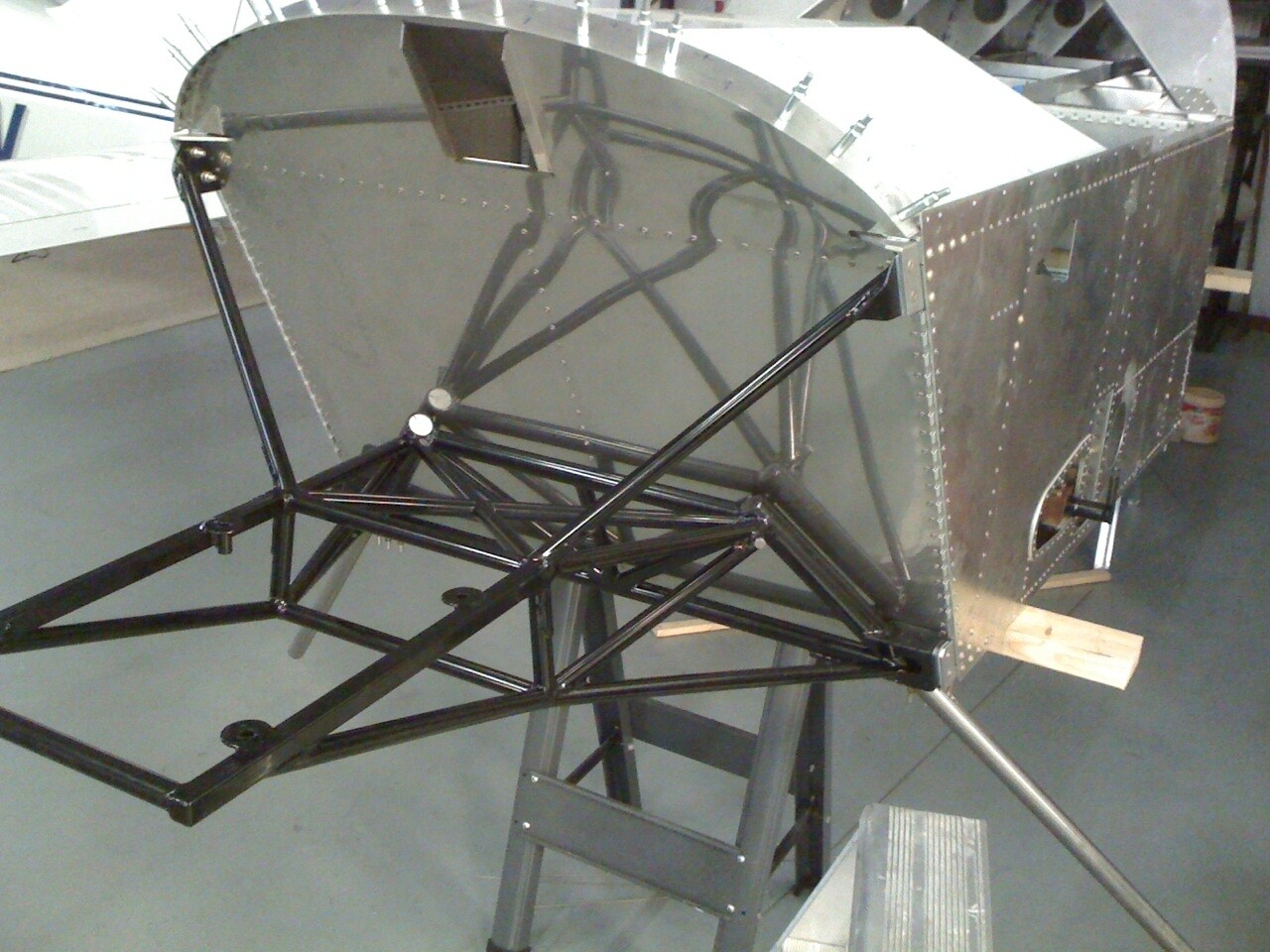
Gear Leg Top Bolt Sheared

Gear Leg Top Bolt Sheared

This incident occurred a couple of weeks ago. I wanted to give the factory an opportunity for analysis before I posted anything – hope you understand. I believe the factory will be issuing an Optional Service Bulletin in the near future to pull and inspect these bolts.

The facts that we know:

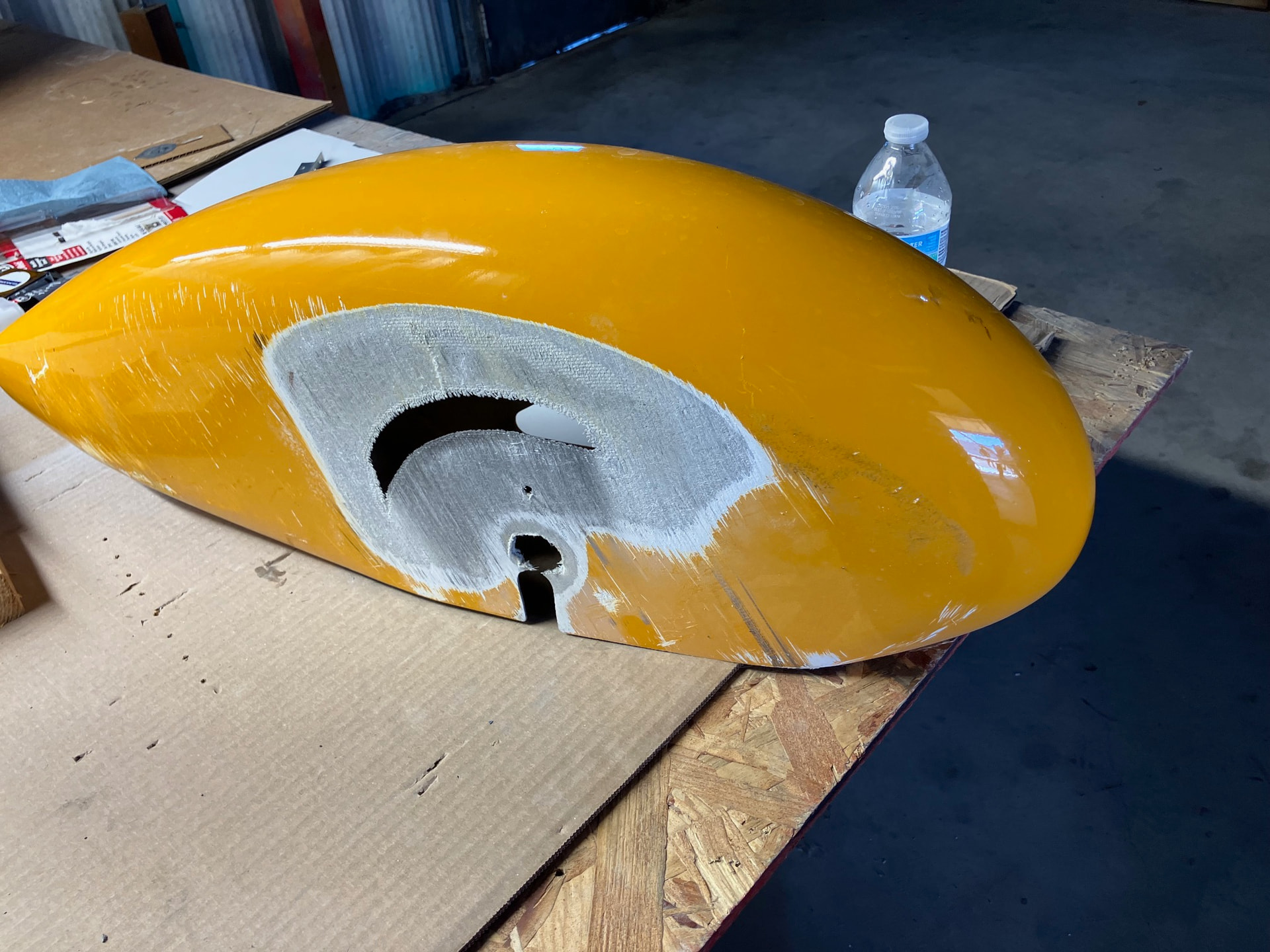
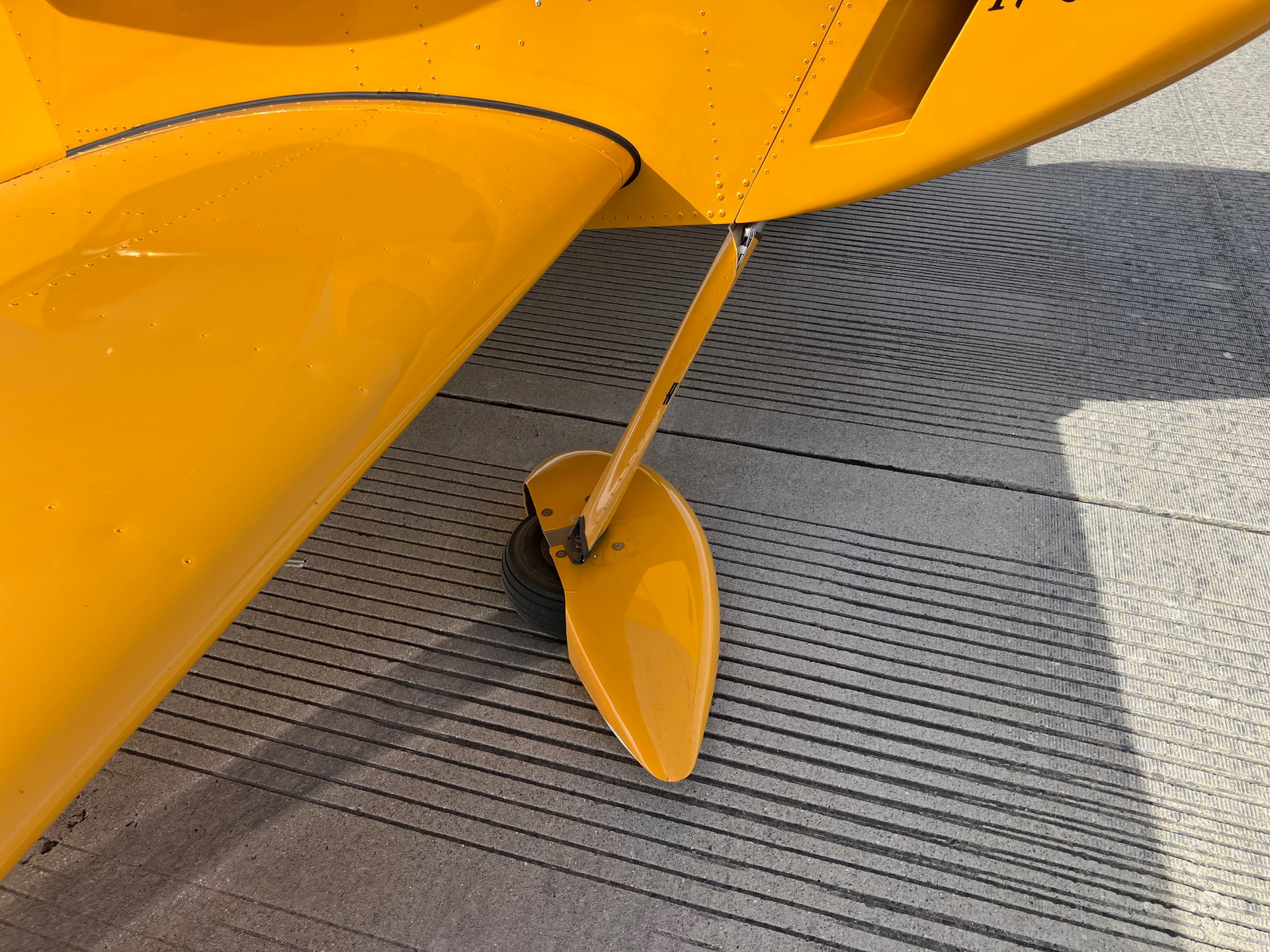
I’m about halfway through my Phase 1 testing – just completed Test Card 15 – 26 hours on the aircraft. I was performing this test at the “Heavy Aft” weight of 1220 pounds. On landing, it was probably closer to 1200 since I had burned off some fuel. Wasn’t my best landing – but certainly not my worst. Touched down tail first in a three-point landing position. As soon as the mains hit the runway my co-pilot side gear leg top bolt sheared – allowing the gear leg to spin 90 degrees. At this point I was now riding on the end of the axle bolt. Skidded a couple of hundred feet and stopped.

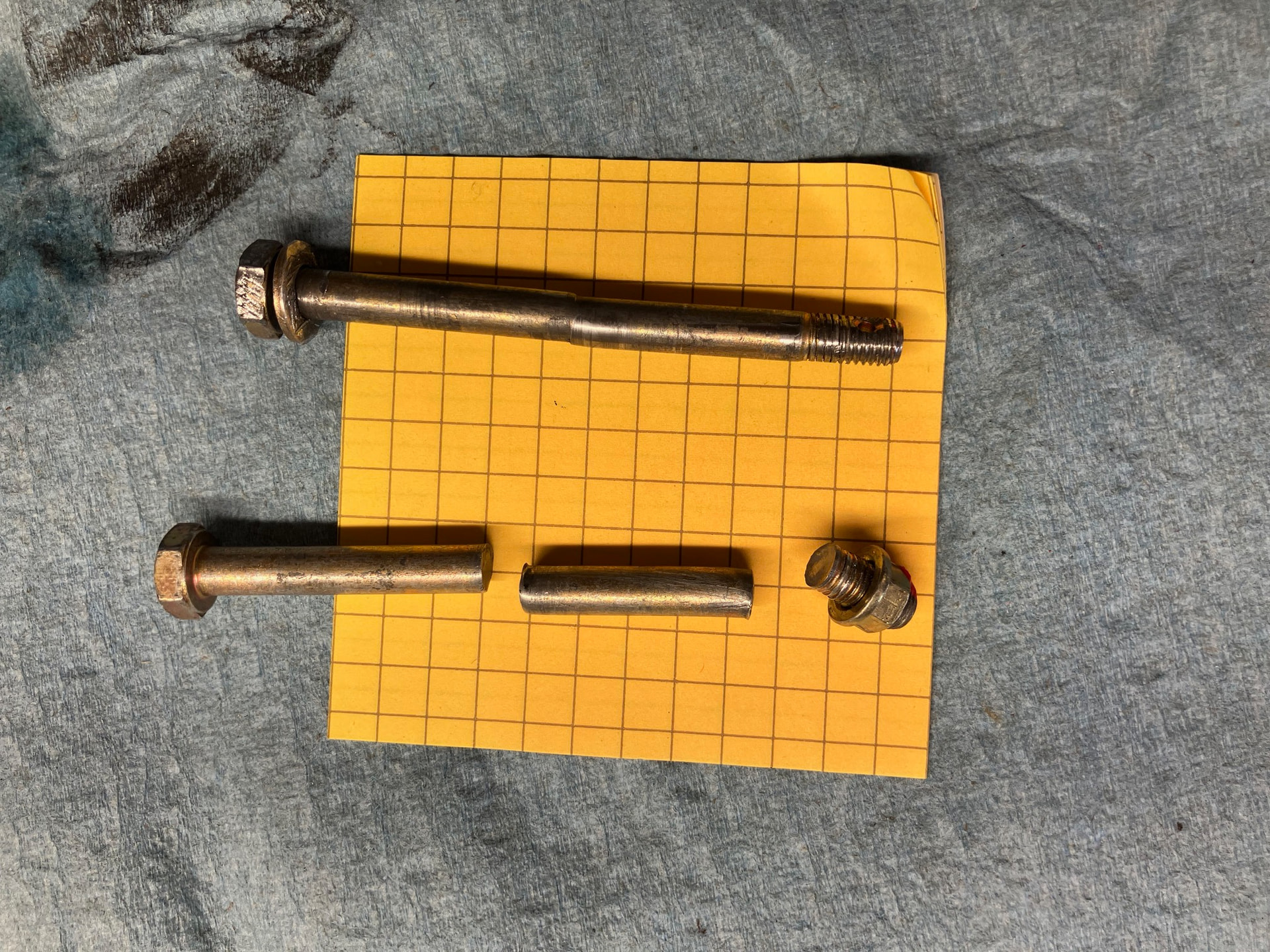
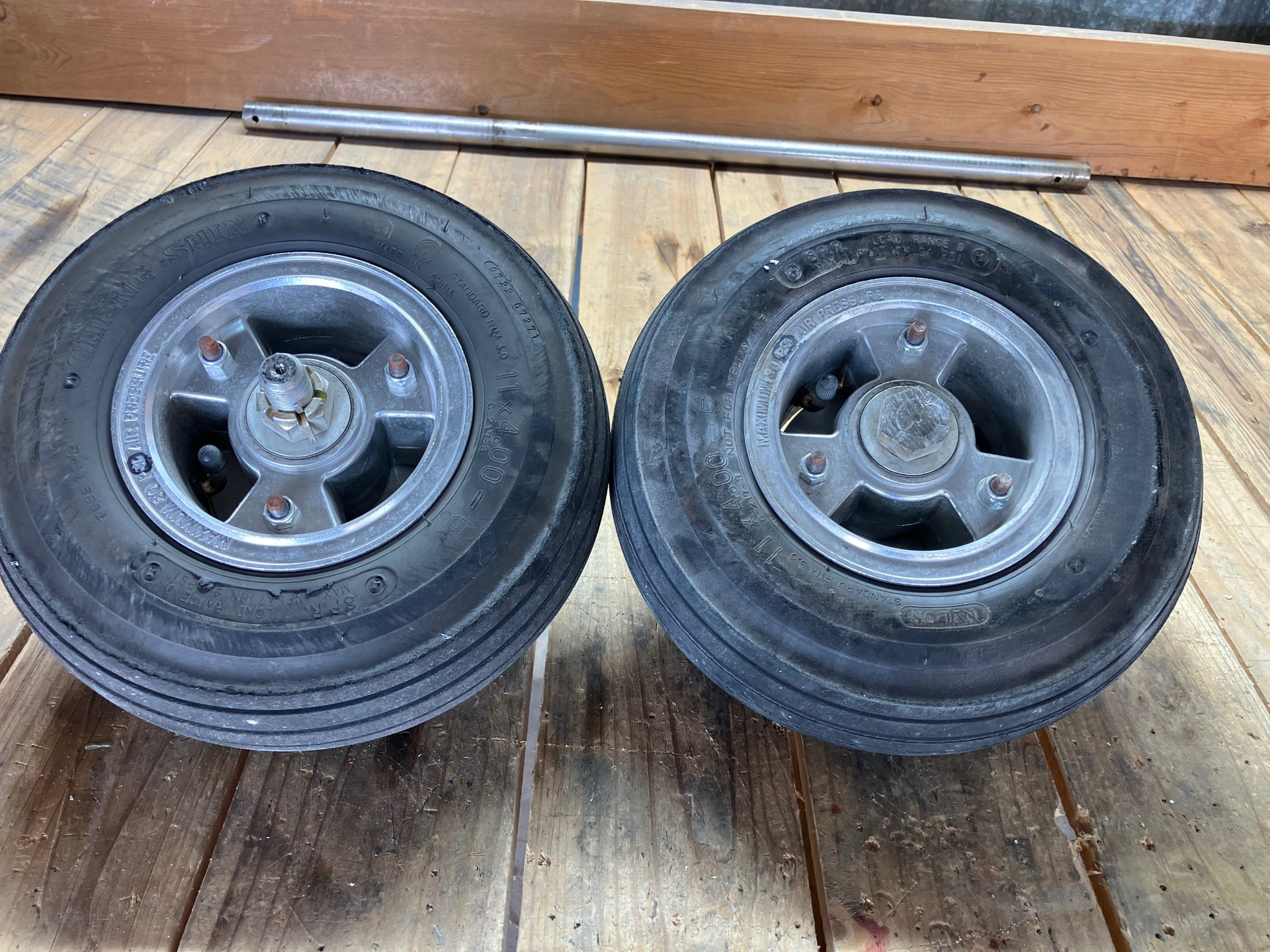
I’ve been working with the Sonex factory to identify the root cause and approve a fix. First thoughts from the factory were that it might have been a soft bolt. I expressed mailed them my bolts – unfortunately, no smoking gun – the bolts checked out good. A couple other observations. The titanium gear leg was in perfect condition – no bending at all. I know a few have bent their gear leg in the past – so the landing wasn’t all that bad. I was at gross weight – but Sonex pointed out to me that the Xenos lands at a higher weight (1275 pounds) – and there have been no issues with the landing gear. During my investigation, I also removed the top bolt from the pilot side gear leg. It was almost ready to break – probably only a few landings away. Pictures attached.

The FAA has already been out to see my aircraft and could not find any fault with the drilled holes, etc.

At this point, we are all scratching our heads to fully understand the root cause. Let’s face it – there are hundreds of these aircraft flying with no issues.

My personal thoughts:

The first thing that I noticed was that I had placed a washer under the head of the bolt. The drawing does not call for a washer in that location. This pulled the bolt back the thickness of the washer. There are two shear points on this bolt – one on each side of the gear leg collar. By pulling the bolt back a washer thickness, it appears that the collar on the nut end of the bolt is no longer in contact with the full shoulder diameter. As you know, these bolts all have rolled threads, and the bolt necks down a little just prior to the start of the threads. I believe in my case, the collar shear point closest to the nut was in this necked down area. That means that the bolt head end of the bolt was taking double the shear force normally seen on this bolt.

The only other item that might contribute to this issue would be the hole quality. As much as I tried to create a good hole – it might not have been perfect. We all know that a two fluted drill bit creates a triangular shaped hole – to some extent. Maybe this caught up with me.

Corrective Action:

I never want to slide down the runway on the end of my axle bolt again – so, I’m probably going a bit over the top. But it’s my experimental aircraft – so I can do that.

- I’m moving up to 5/16 bolts.

- I’m using NAS bolts vs. AN bolts – they have 25% more shear strength.

- I’m planning to under-drill the hole for these bolts (19/64) and finish with a 5/16 piloted reamer.

- I’ll match drill each hole with the mating collar.

- I’m planning to do this upgrade on both the top and bottom bolts.

Bill

Waiex N67WX
2 Likes

Bill,

Excellent writeup and I think your plan is pretty sound. I don’t know if anyone has used NAS bolts there but they are stronger. I know David A. and others have used 5/16” bolts, especially if they had one break. When I have drilled critical holes I drill in steps and finish with a reamer. Usually a slight undersize reamer, instead of nominal size gets the best fit. Especially true for AN bolts. I always practice on scrap before I shoot the real hole.

How tight are your gear legs in the sockets?

Bryan,

Gear legs are tight - needed a hammer to both insert them and remove them.

Bill

N67WX

1 Like

Both mine started off snug but my right gear leg loosened up. I bonded it in with metlweld.

This strikes me as a bit scary. An anonymous owner had a failure of his mains just a couple weeks ago. I have found my brakes to be drastically underpowered and the nose strut frail. Undercarriage seems to be a very weak spot for Sonex.

Bill, thank you for sharing your experience. Glad to hear that you are okay and the plane will be back flying in no time!

Interesting to say the least! I’m watching …

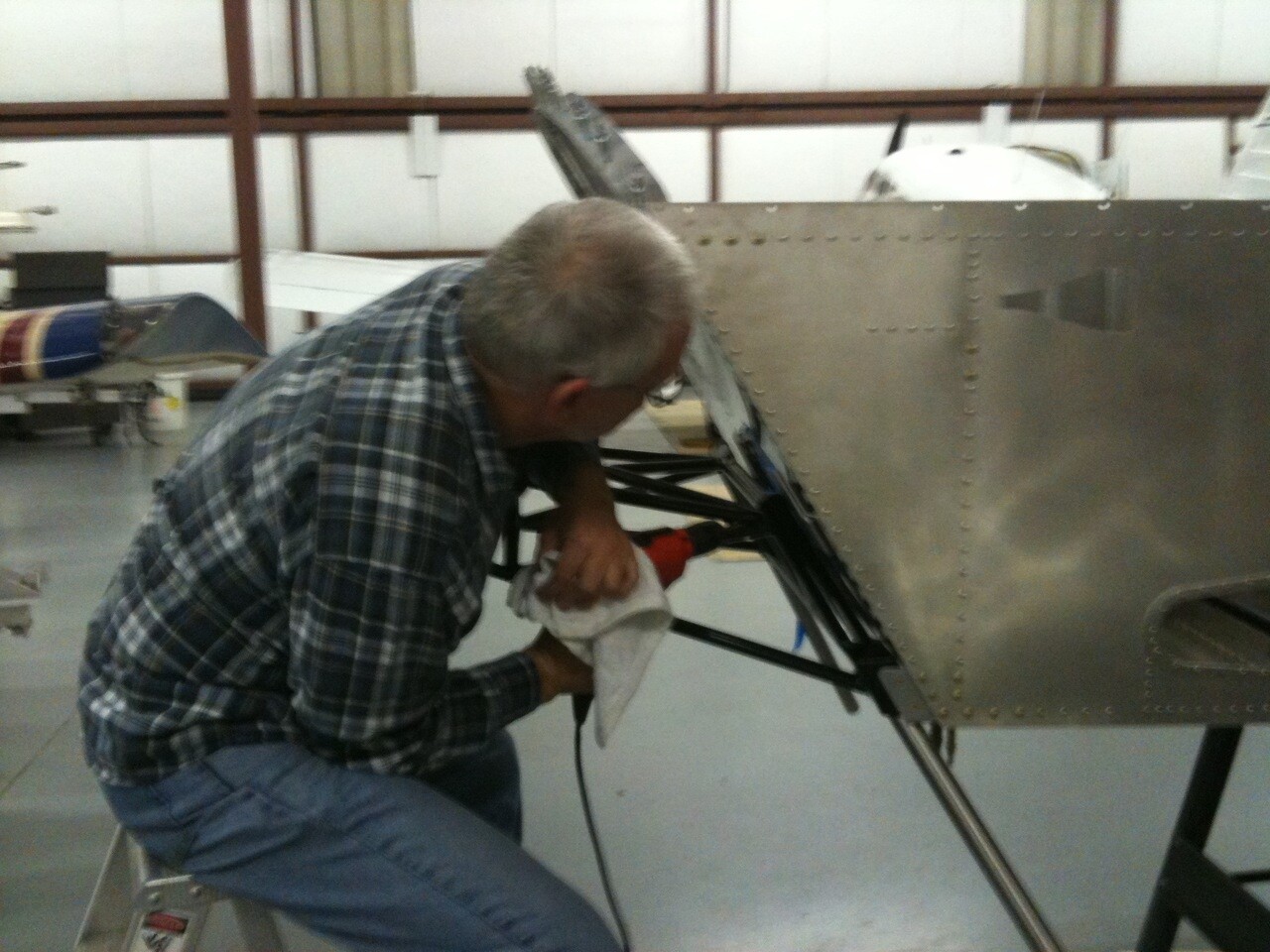
I recently found photos of drilling my gear legs for mounting:

Here is the result but a close inspection shows (at that time) stainless steel bolts were inserted:

The stainless bolts were never flown and changed out to the AN bolts as required in the SB. There was talk of using a sacrificial coating between the bolts and the titanium gear legs. IIRC we used grease.

These have just shy of 400 hours on pavement and turf with weights up to gross (mine set and tested to 1250 lbs.) with no concerns at all. Recently I did have a wheel pant come loose and roll under a tire on landing on a grass field. Landing wasn’t bad at all but again, no damage could be found to the gear legs or bolts.

If my mount looks very different it’s because SPA made it for the Corvair conversion engine.

Dale
3.0 Corvair/Taildragger

Good write up Bill. I checked my bolts for good measure, everything good.

One thought - if the nut goes forward instead of between the mount and the firewall, the threads and necked down area will for sure be out of the shear path. But you will have to either install the bolts with the mount removed, or put holes in the firewall. When I removed my original bolts to check and replace them, I had to hacksaw off the head. I drilled a hole in the firewall and made a spacer for between the firewall and mount. Others have done this as well. My original bolts looked great except where I hacksawed them.

Thanks for sharing this. These joints have been on my list of items to pay extra attention to and I’ll be double checking my install along with early inspections for looseness.

I think you’re correct that having the necked down area contacting the collar hole could play a major role. In addition to it being around 25% weaker due to it being the minor diameter of the threads, I could see it causing a sequence of events leading to failure. The threads could first deform since the small surface of the thread tips would cause higher stress. Once enough looseness develops, the head side would carry the whole load until it deflected enough to contact the threads. That movement could cause fatigue failure or impact forces high enough to cause failure.

1 Like

Great write up! Thank you!

I have always kept a close eye on these bolts and now will definitely look even closer.

I have bolts of unknown provenance. Aside from swapping with known AN bolts, is there much reason not to use an additional bolt a few inches down? I know more holes is less better, but if the failure mode is bolt shearing rather than strut bending, maybe it would be a good trade.

I would not add an extra bolt. The right answer is snug fit and keep the threaded section well away from the shear interface.

Come on, guys- these very low level aerobatic frolics down on the runway are totally unneccessary, at least when you are like me finding no fun in having your standard gear Sonex standing on its nose with a sheared gear leg retaining bolt, wondering if the plane will tip over on its back, or fall back on the tailwheel. Just do what I say. To that effect I hope you all have read my excellent posting about this very topic last October. Read and take heed!

Use 12.9 grade ø5/16 in- 8mm phosphated capscrews up in the engine mount, and 1/4 in ditto down in the axle stubs.

Having emphasized the need for proper hardware (i.e NOT AN or NAS!!), I should again stress the importance of proper axle stub alignment. In all the 4 cases (see the original SB) we originally examined, we did not find one case where alignment was exactly according to the build plan drawings: some had too much toe out, others excessive toe in.

It is essential that the plans are followed to the letter with a check and recheck several times before any holes are drilled!

I agree with the annalsys of the bolts, especially about the washer and shear points. question, where to get the suggested 12.9 grade cap screws?

Legacy,

I’m sure you meant well - but you have two incorrect assumptions.

  1. NAS bolts are aircraft bolts and made to much higher standards than commercial bolts - like a grade 12.9. In addition, the shear strength of an NAS bolt is significantly higher than a grade 12.9 bolt. You can confirm this with Grok.
  2. According to the Sonex factory, they have seen about the same number of failures on both the top and bottom gear leg bolts. Therefore, it’s very important to upgrade both the top and bottom bolts equally. Otherwise, you are just moving the failure point to a new location.

Excellent point about the toe-in calibration - build to the print.

Bill

N67WX

2 Likes

The perfectly crafted gear makes complete sense to me. My issue is that I bought the aircraft third hand. The wheels point where they point. The design does not allow for anything but absolute perfection in fabrication, which may not have been reached in my case. Is my only choice to purchase all new struts and try again? And if I am not perfect, keep buying struts until everything eventually aligns?

As a ham handed physicist and accidental system engineer, I would rather find an approach that would allow adjustment. As my wife will attest, I am not turning prfect anytime soon.

I see Sonex has dropped a service bulletin for this:

Status Models and Serial Numbers Date of Issue Reference Number
OPTIONAL All B-Model Taildragger Airframes (Sonex-B, Waiex-B, and Xenos-B) 12.10.25 SNX-SB-015

Interesting that this does not apply to the A model.

I was just looking up NAS6204-46 bolts. Spruce does not carry them apparently.

And yeah. Interesting the -A was not listed. I’m always looking at those things, as well as anything else that gets beat on flying off rough grass.

Even if you stick with AN but go to AN5, you are getting more than 50% increase in area. It’s the same ratio for shear strength.