Bend Tri-gear fork

Bend Tri-gear fork

Posted: Sat Feb 25, 2017 7:02 pm

by bakfly

Hi all,

A number of month ago I noticed my nose-wheel Tyre starts rubbing agains the the Tri-gear fork on my Sonex. The fork had bend to the right. I noticed already for a while that I needed a lot of left rudder input during taxing and before take off. I took the Tri-Gear strut off and bended using a press straight again. After a number of month and probably about 20 landing and take off, I notice it started to bend to the right again. I am using most of the time the main bitumen runway what can have a bit of crosswind. I was thinking to reinforce the fork, but Sonex advice me: this will allow the loads that caused this damage to be transferred to other parts, such as the motormount, that are far more expensive to replace should they become damaged. I have now ordered a new Nose-Gear Strut and Nose-Gear Strut Drive Horn. I noticed when the nose-wheel is aligned straight with the Fuselage the Rudder is slightly off to the right. I am not sure if this will cause any extra strain on the Nose-Wheel.

Does anybody have had the same problem and after replacing the Nose-Gear Strut not have this problem returning anymore.

Peter Bakker,
Sonex 1430, Tri-Gear, Aerovee 2.1
Flown 150hrs


Re: Bend Tri-gear fork

Posted: Sat Feb 25, 2017 7:41 pm

by jjbardell

I am on my third strut, it is very frustrating. Here are my thoughts.

  1. Once it is bent, it is more likely to bend again if you press straighten it. It will always be weaker.
  2. If you have a strut fairing on the front, I have found that causes aerodynamic flutter and bends the strut on the roll before take-off or just after landing so I removed mine. I did not notice a change in speed. The main gear strut fairings do make about 5-7mph
  3. Make sure you are checking your rudder alignment with an angle measurement, not visual
  4. Set and lock the rudder before you drill your new holes on the new strut

I believe bending is caused by the following:

  1. Moderate / High speed exists from the runway
  2. Not having the rudder and wheel perfectly straight before beginning the takeoff roll
  3. At my airport, we have a displaced threshold which is bumpy. The bump between that and the runway start causes the strut to flex. I don’t roll on the throttle until I am after the bump.

It is frustrating and I feel your pain. Not sure if any of this helps, but it has helped me. Since then, I have not had any issues.


Re: Bend Tri-gear fork

Posted: Sun Feb 26, 2017 6:00 pm

by bakfly

Thanks jjbardell for your useful reply.

Before drilling the holes in the new strut I will make sure the rudder is straight and aligned. Also I will concentrate during the beginning of the take off roll to have the Rudder and wheel straight.

During the take off, not using any Flaps I always put a little bit of back pressure on the stick. I am airborne at about 50 knots and accelerate in ground effect to 70 knots before start the climb. Maybe with the Sonex low stall speed, I can get airborne at 45 knots when using 10 degrees Flap.
I found that during the landing roll while moving the stick gradually fully backwards,trying to keep the nose wheel off the runway as long as possible it drops into the runway fairly quickly.
Especially when I fly on my own and having a full tank of fuel there is quite a bit of weight on the nose wheel.(Minimum pilot weight with full tank is 70kg to stay within envelop).

My Airport has several runways and most times there is always a runway straight into the wind. But only the main bitumen runway is good, the other grass runway are fairly rough.

Thank you for your help and I hope that this all resolve this problem.

Regards Peter

I wasn’t sure which nose gear strut thread to tack on to, but this seemed good enough. I am a member of the bent strut club and have a replacement ready to stuff into the plane. Since I did not build the plane, I am not certain how this will go. From the plans (SNX-L02) it looks like there may be a single bolt up top that secures the strut. Is that correct? The strut I received from Sonex does not have the unpainted patches indicated on the drawings, will that sort itself out over time? Any insight is appreciated.

I don’t know that it’s relevant (AI assistant says it is) but there is a Sonex SB to check for improper nose wheel springs on earlier nose wheel models:


Status Models and Serial Numbers Date of Issue Reference Number
REQUIRED All Sonex and Waiex Tri-Gear Aircraft purchased before May 1st, 2007 07.03.07 SNX-SB-004
SNX-C02-10 NOSEWHEEL PUSH ROD SPRING CHECK:
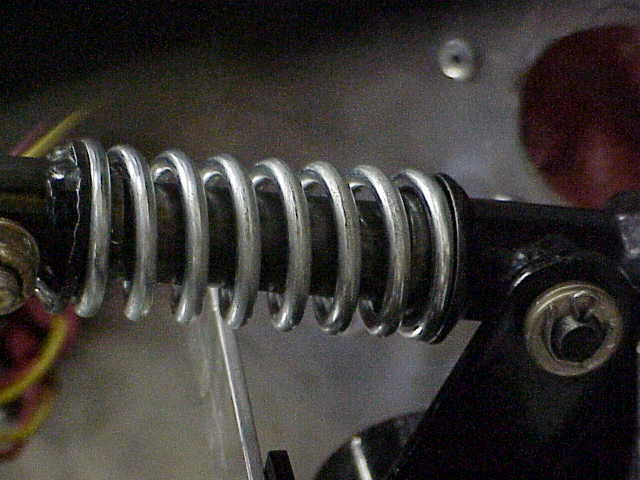
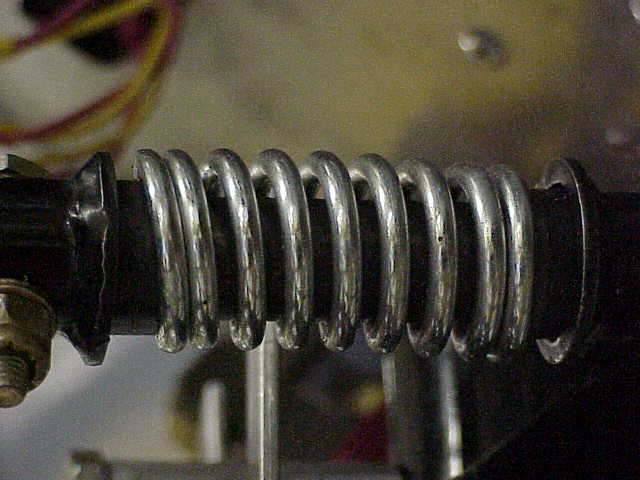
Sonex Aircraft has discovered that some Sonex and Waiex Kits Shipped before May 1st, 2007 may have included the incorrect Nosewheel Push Rod Springs. All Sonex and Waiex Tri-Gear Aircraft Owners should inspect their Sonex-supplied SNX-C02-10 Springs to ensure they are correct.

A correct Nosewheel Push Rod Spring Installation looks like this:
SNXC0210_Correct.jpg

An incorrect Nosewheel Push Rod Spring Installation looks like this:
SNXC0210_InCorrect.jpg

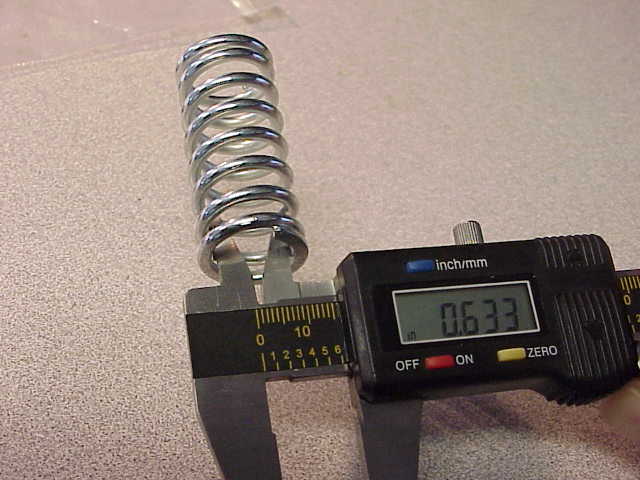
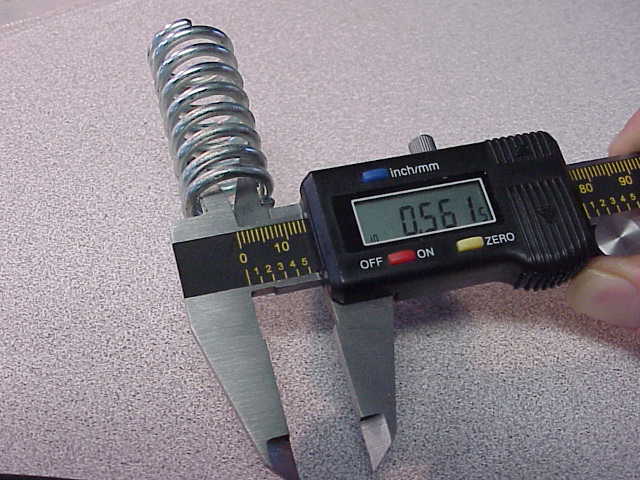
If your Sonex Supplied SNX-C02-10 Springs are not installed yet, you may measure the inside diameter to determine if they are correct or not. The correct springs measure over 0.60" on the inside diameter:
SNXC0210_Correct_Measure.jpg

The incorrect springs measure under 0.60" on the inside diameter:
SNXC0210_InCorrect_Measure.jpg

If you determine that you do not have the correct SNX-C02-10, please Contact Sonex Aircraft Technical Support. An RMA Number will then be issued for the return and inspection of the incorrect parts. If found to be the incorrect parts, replacements will be sent to you at no charge.|


I doubt that this old SB applies but it is a reminder that the geometry and proper alignment of the nose wheel strut is very important to the function it performs.

I don’t recall having this issue on my early nosewheel Sonex but the best fix to prevent this from happening is to move the third tire to the rear: :wink:

Dunno if this helps …

Dale
3.0 Corvair/Taildragger

You’re correct that it is only one bolt. Once that’s removed the fork slides out downward. The plane has to be pretty high to get it out. I had mine on 30" sawhorses when building and it gave me a few extra inches.

You have to remove the powdercoat on the fork and I had to remove all of it from the top to the lower patch since it was too thick to pass through the bushings. It’s possible this might be different for you but I’d definitely still remove the areas indicated on the drawing so it doesn’t catch with wear. There are several ways to do this but I found that heating it up with a torch until almost bubbling and using a fine wire brush on the bench grinder worked well without gouging the tube. After removing I painted the space between the patches and the top that goes under the knuckle with Rustoleum since it’s thinner than the powdercoat.

You’ll also have to drill the hole in the fork for the steering knuckle. I’d assemble it and check before drilling to make sure it’s lined up correctly. Once that’s done and deburred you just have to grease it (check grease compatibility), reassemble and adjust the centering using the rod end connected to the rudder pedals on the inside if it’s not centered with the rudder correctly. I think this may be on the C01 drawing.

1 Like

Thank you Dale for stepping up so I didn’t have to be the tailwheel wise guy!

@JFYrineo this thread calls into question your proposed fix for my tailwheel issues.

1 Like

My intent wasn’t to suggest what someone else should do but rather to show what worked for me.

In defense of the nose dragger Sonex … when I had mine, I could land that thing in some pretty serious winds. Stick the mains, ease the nose down and we’re done.

The taildragger is not difficult to land but when it’s blustery it can get interesting to say the least.

I went for fuel the other day and while I had a few excuses, (sun directly in my eyes on final, much wider runway than I’m used to, changing crosswinds, hadn’t flown in a few days, etc.) there was no excuse for me having to log multiple landings! :flushed_face:

So as Jeremy would say, horses for courses. I fly quite a bit off of turf and the nose wheel would have a tough time surviving on some of those I use that are not really smooth. That’s part of the reason for the larger tires I put on my tailwheel.

Dale
3.0 Corvair/Taildragger

1 Like

I am still at the stage in my flying career where I am trying not to kill myself, so for me, trading challenges in the hanger for challenges landing is a bargain.

It’s an hour drive to the airport where the plane lives, so I try to have everything prepared before I go on a maintenance mission. Much thanks for telling me about the powder coat isssue! As always, I am impressed by the drive and fortitude required to build from the ground up. Just updating and maintaining keeps me plenty busy.

1 Like

Amen to that. It would be a lot easier to maintain if we didn’t fly it.