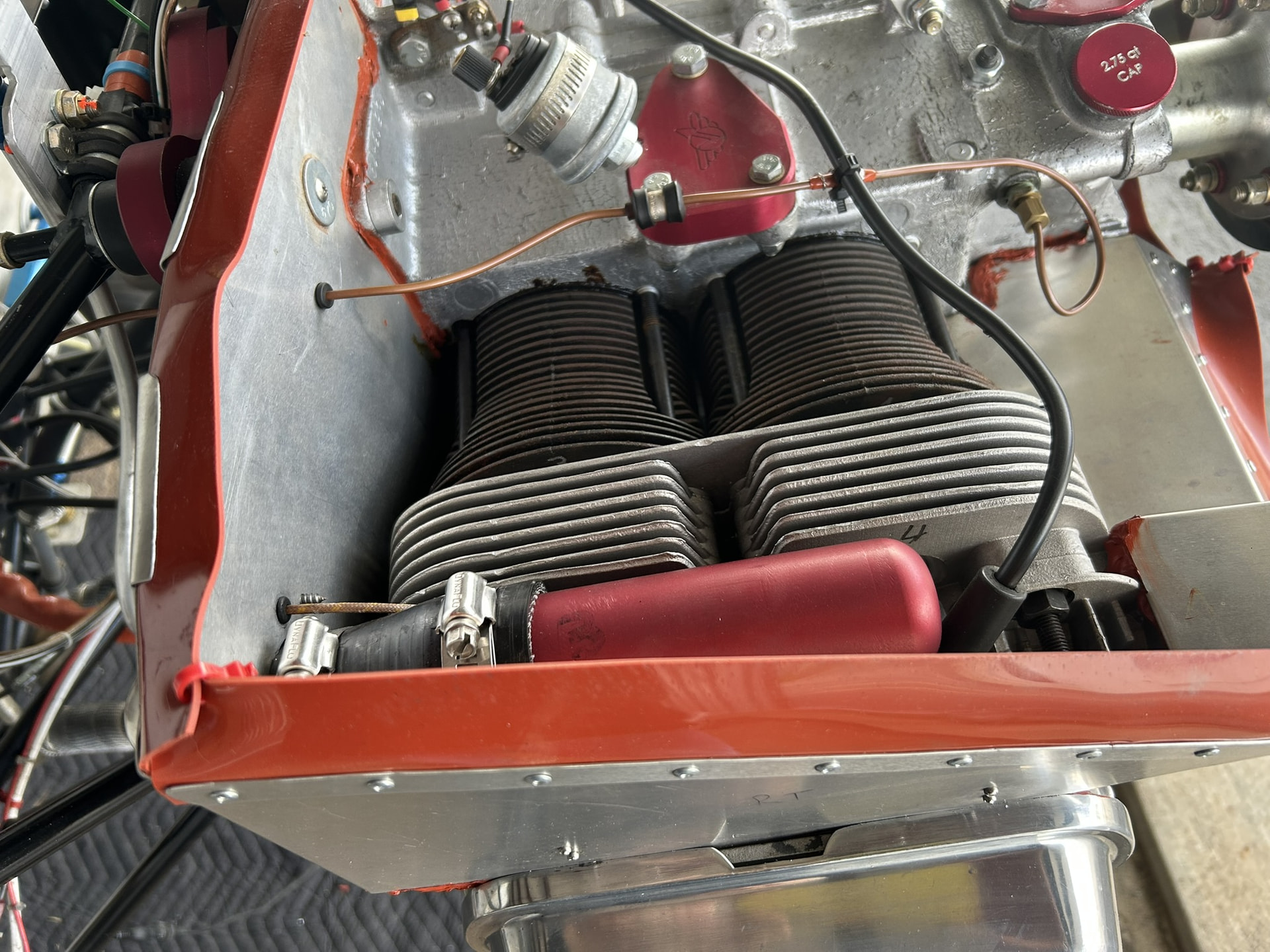
I have an never used mount for a Jabiru 3300 for a legacy tailwheel airplane in my hanger, located in western Colorado. Let me know if interested Jerry
Interesting. I suppose the “theory of operation” is that non-evaporated fuel droplets are allowed to fly right past the forward cylinder intakes rather than collecting at the forward intake ports.?.?
Edit: Oops, my mistake. I’ve had AeroInjectors on my mind lately.
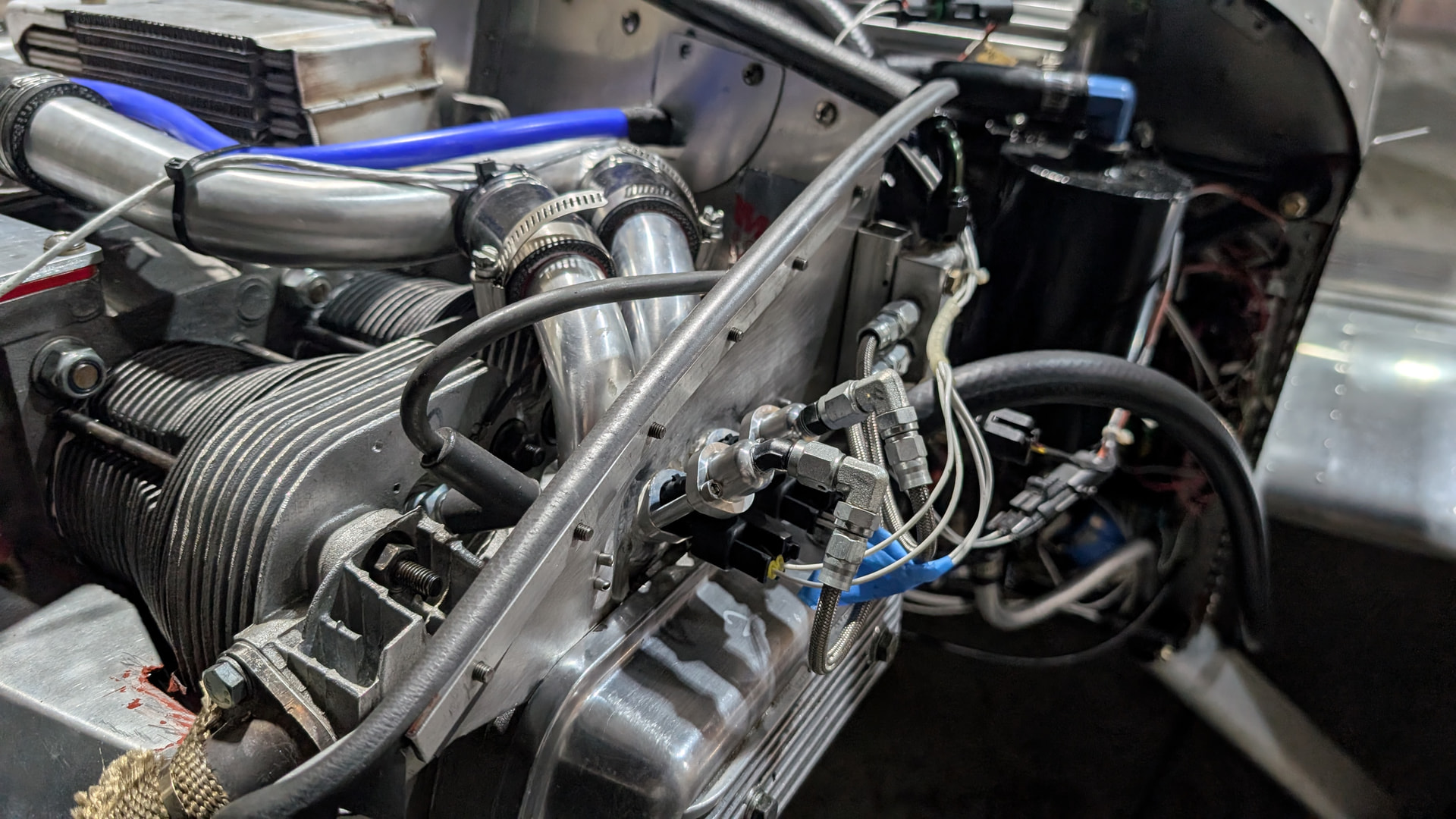
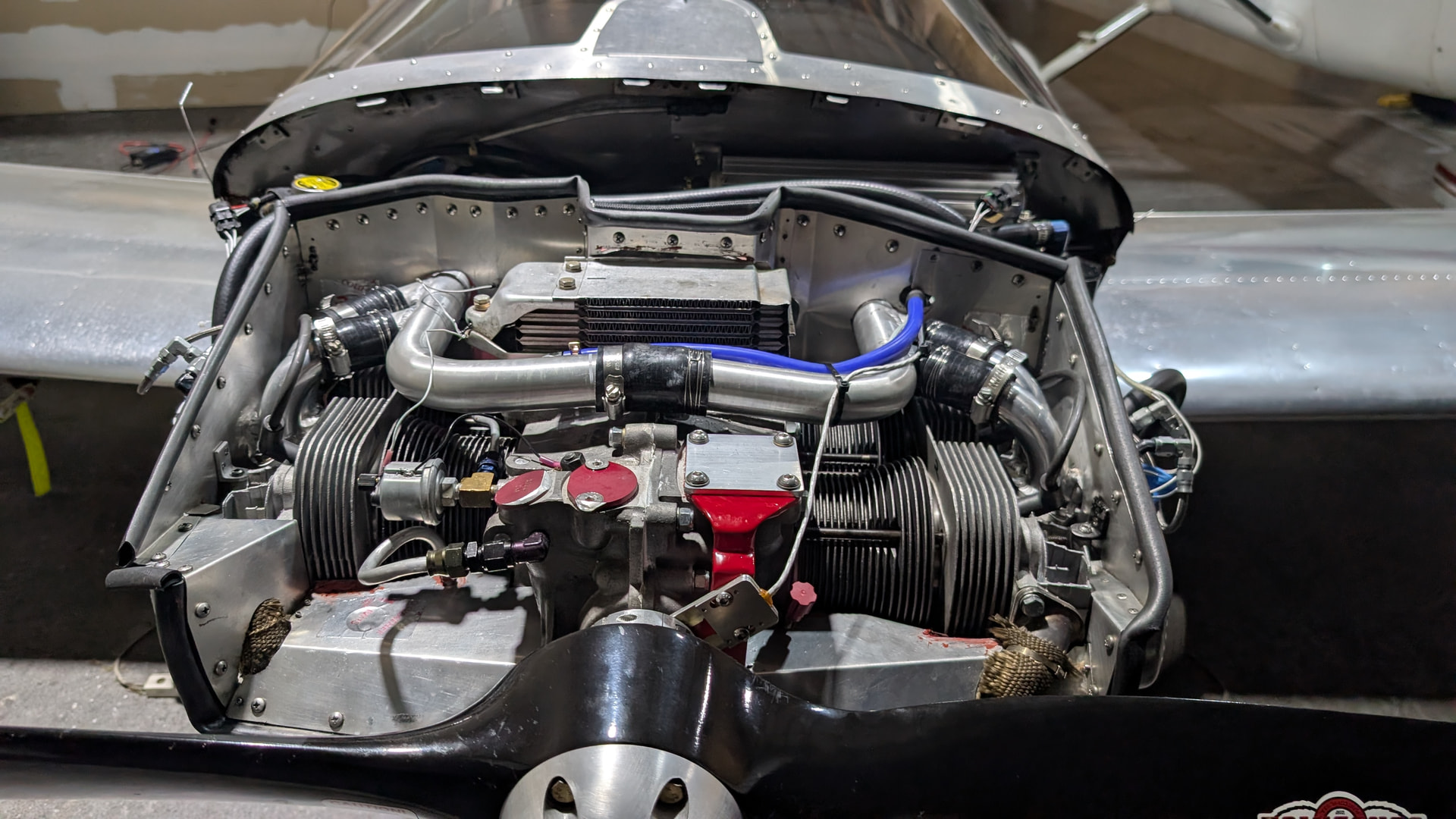
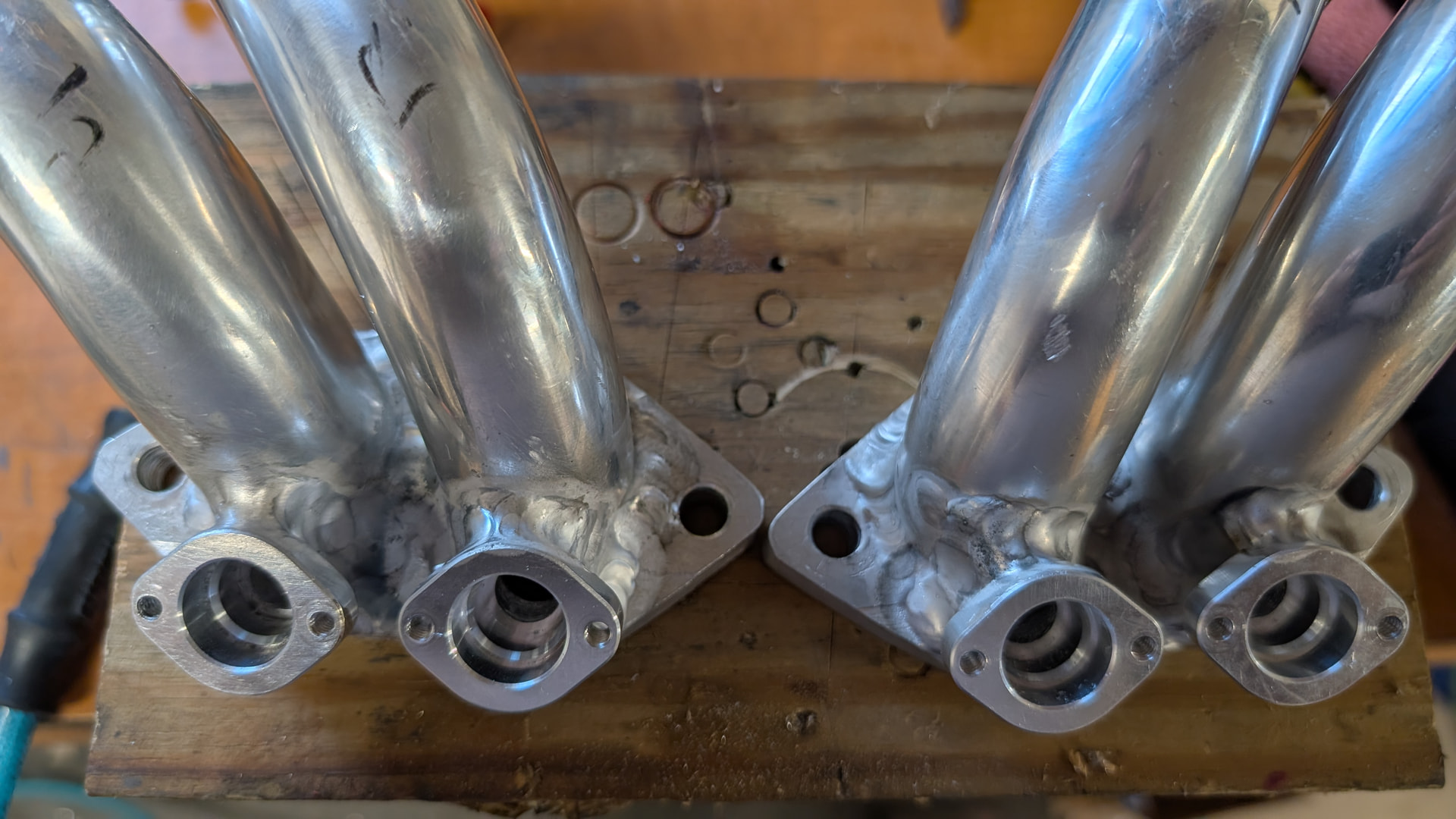
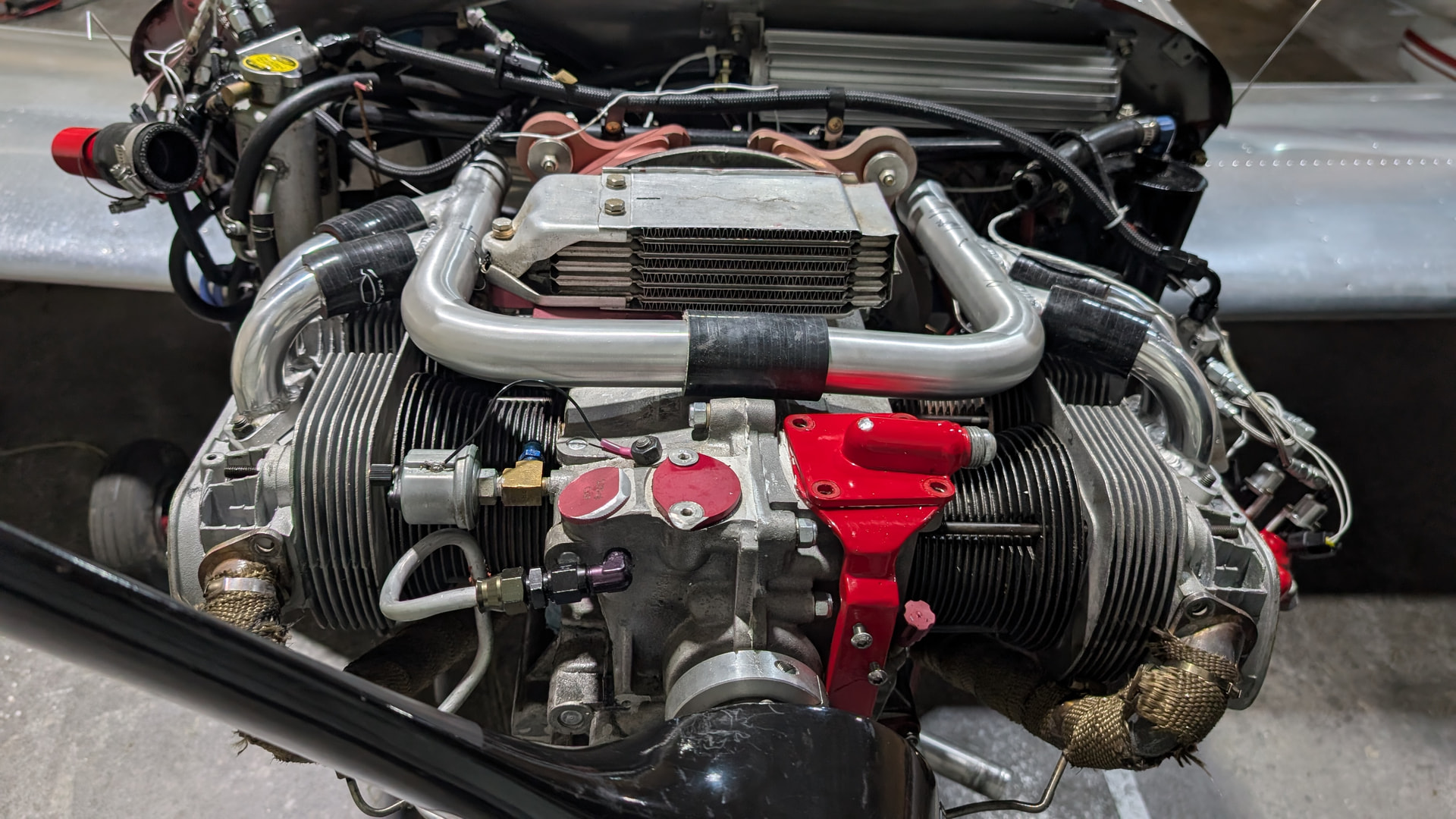
The concept is to provide the exact same charge air pressure to each cylinder. Also keeping the fuel reverberations from leaving the individual runners
oil temps have been under 180, I was concerned that the loop would affect the oil cooler but is has not. Hight pressure on top will move to the low pressure below.
I’d be very interested in getting more information on this. Have my own SDS kit in a box and halfway through the turbo upgrade right now on my legacy trigear sonex. . Have looked at a number of unsatisfactory solutions for intakes and this seems to be a good solution.
Very interesting. My beautifully built (not by me) Sonex sits and gathers dust because of high CHTs while I pay insurance and hangar rental for nothing
While I don’t have as much experience as many on this forum, I too had high CHTs on a Sonex I purchased with an overheated engine.
After a full rebuild, I started flying and could barely keep the heads below 380 in cruise. During climb out they would go to 420-430 briefly. Yikes.
I began by calculating cowl intake vs duct vent size. I progressively opened the vent to 1.74 times the intake opening.
The other factor that really decreased my CHTs was the discovery that my electronic ignition was too advanced.
As per good posts on this forum, I flew to a good cruise altitude, let things settle for 4-5 min with no changes, then turned off my electronic ignition.
CHTs came down a little, but the real revelation was when I increased power and climbed from 5500 to 8300 feet with the CHTs at 355-365. I could never have done that before. After landing I retarded the electronic ign a little and flew again. No more high CHTs!
Using a timing light next to a spinning propeller seemed like a poor life choice, so I retarded it by trial and error. First try worked with no changes in RPM.
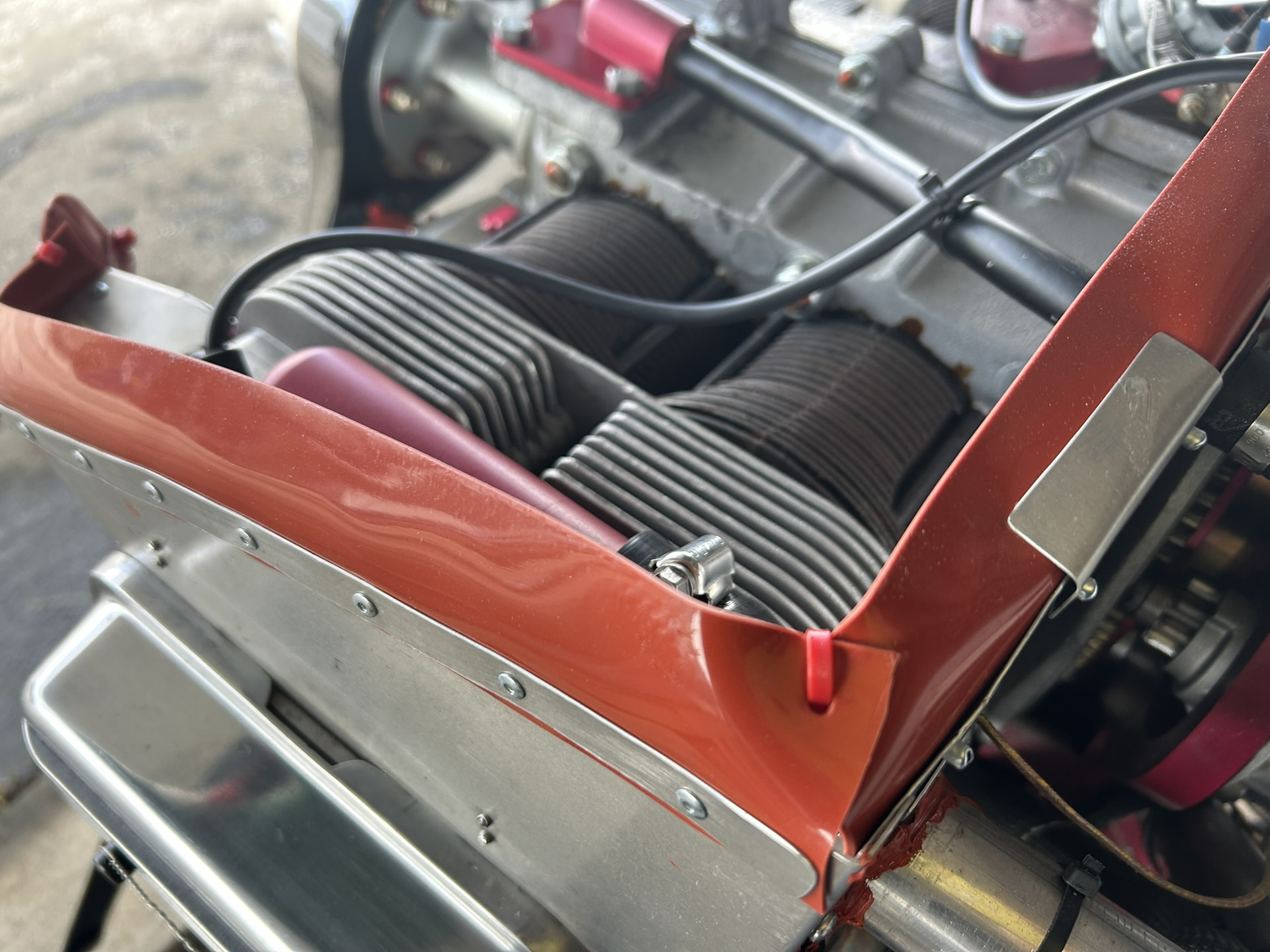
Your baffling looks better than what is in my plane. Brian is correct about having the baffling lay flat against the cowling. However in my Sonex it does have some wrinkles and I’m still seeing good CHT’s.